Grinding concrete without a vacuum is possible for small, short jobs, but dry grinding without dust control is a health and regulatory risk you should not ignore. If you have no dust collector, use wet grinding (spray water onto the surface ahead of the disc) to keep silica dust down, or work outdoors with a respirator and wet slurry management. For indoor work, even a basic shop-vac with a dust shroud on the grinder captures most of the dust. The honest answer: buy or rent a HEPA dust extractor — silica exposure limits are strict, and the dust you can’t see is the most dangerous part of the job.
Concrete dust contains respirable crystalline silica. Repeated exposure causes silicosis — a permanent, progressive lung disease. Most countries enforce strict exposure limits (e.g., OSHA PEL of 50µg/m³), and dry grinding without engineering controls regularly exceeds them by 10–50x. Even "just a quick job" indoors can leave dust in your home that resettles and gets breathed for days.
A: Not indoors and not for extended periods. Without extraction or wet grinding, airborne silica can exceed safe limits by 10–50x. Wear a P95 respirator and use wet methods; rent a HEPA extractor for real jobs.
A: Only with a HEPA-rated filter and bag, or you risk blowing ultra-fine dust back into the air. A dust shroud on the grinder plus a HEPA shop vacuum is an acceptable budget setup for small jobs.
A: No — water cools the segments and extends metal-bond tool life by 30–50%. Only resin polishing pads and some PCD tooling should run dry; check the product rating.
A> Use a P95/N95 particulate respirator (or P100 for long jobs), fitted and seal-checked. Dust masks without a rating are not acceptable. For daily professional work, add HEPA extraction as the primary control.
A> Wet-mop or vacuum with HEPA; never dry-sweep or blow it around. If you ground wet, let the slurry set, then dispose of it as construction waste.
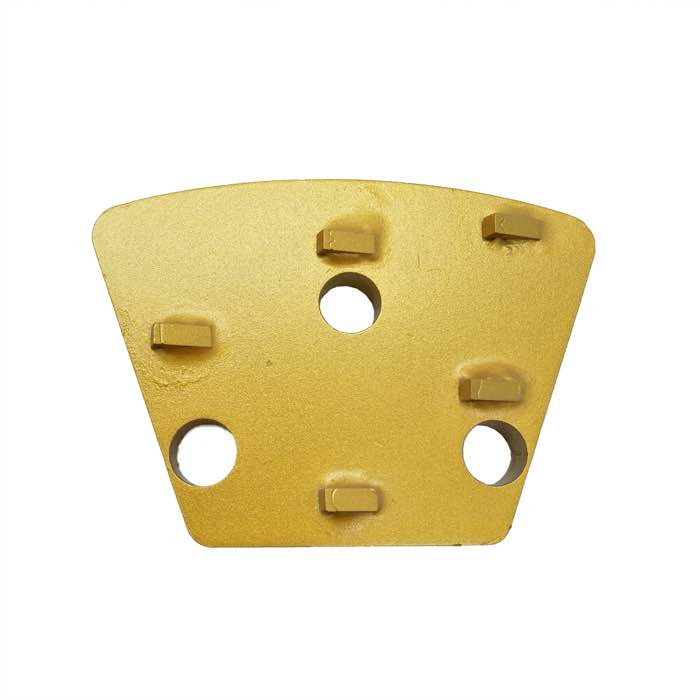
Grinding without a dust collector is possible only with wet methods, a respirator, and short indoor jobs — and even then it’s the exception, not the rule. Protect your lungs with wet grinding or a HEPA setup, and pick tooling that handles wet use, like PCD trapezoid discs or a metal-bond disc rated for the job. JOY TECH supplies wet-rated grinding tooling and can recommend a matched dust-control workflow for your grinder.
