Maintaining polished concrete is simple and cheap: dry dust-mop or vacuum daily to remove grit, clean with a neutral-pH cleaner as needed, and run a high-speed burnisher periodically to restore the shine. Never use acidic or harsh cleaners, never let oil or water sit, and re-polish only locally when scratches appear. With this routine a polished floor can look good for decades with almost no recoating.
The enemy of polished concrete is abrasive grit. Every speck of sand walked in acts like sandpaper under foot traffic. Start at the door: walk-off mats trap grit before it reaches the floor. Then:
Acidic cleaners (vinegar, citrus, bathroom products) etch the polished sheen over time, and alkaline strippers dull it. Stick to neutral, pH-balanced detergents designed for polished concrete.
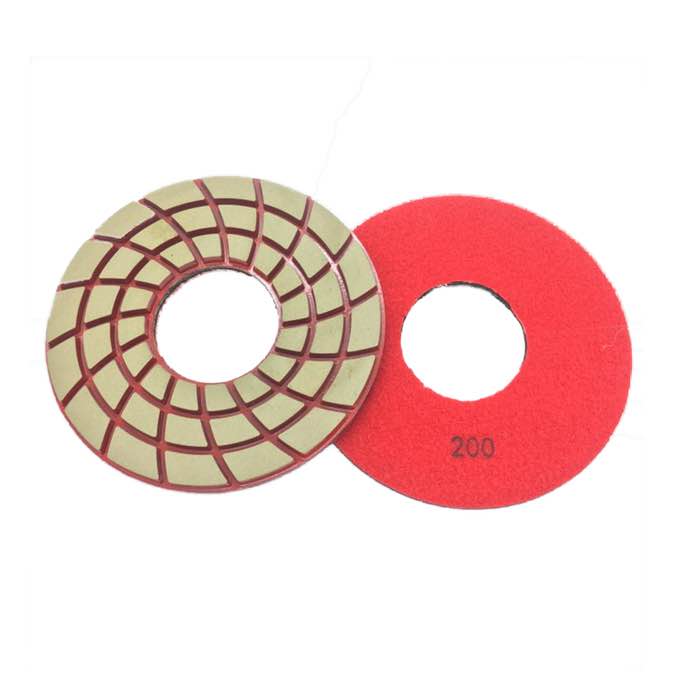
As traffic dulls the floor, gloss fades before damage appears. A high-speed burnisher with the right pad brings it back. For maintenance burnishing, soft fiber or wool pads generate heat and lift reflection without cutting. Our Dry Polishing Wool Pads are ideal for routine buffing between full polishes, while diamond burnishing pucks from our burnishing range restore deeper gloss on heavily trafficked floors.
| Frequency | Task |
|---|---|
| Daily | Dust-mop / vacuum, spot-clean spills |
| Weekly | Neutral damp-mop or auto-scrub |
| Monthly / quarterly | High-speed burnish to restore gloss |
| Annually or as needed | Local re-polish of scratched areas |
Polished concrete is densified and largely stain-resistant, but oil, grease and automotive fluids should be bled up immediately, not spread. Blot with an absorbent, wash with neutral cleaner, and rinse. Do not use abrasive scouring pads that scratch the film. For rubber marks from cart wheels, a light burnish usually removes them.
You do not need to re-polish the whole floor when a few scuffs appear. Local scratches can be refined by hand or with a small planetary grinder, working backward through 400, 800, 1500 and 3000 in the damaged area, then blending to the existing sheen. Schedule a full refresher only when the whole floor has lost its gloss uniformly.
Three mistakes quietly ruin polished concrete. First, mopping with too much water, which leaves water spots and can drive dirt into pores. Use a damp mop, not a soaking one. Second, using all-purpose or acidic cleaners that etch the sheen over months; stick to neutral pH detergents. Third, letting grit sit on the floor, because every footstep grinds it in. Daily dust control does more for longevity than any expensive product.
For facilities with forklift or cart traffic, schedule burnishing before the shine visibly dulls rather than after. A floor that has already worn past the burnishable point needs re-grinding, which is far more expensive than a monthly maintenance pass. Keep a simple log of cleaning and burnishing dates so you can see the cycle and adjust it seasonally.
Dry winter air increases static and dust, while wet spring weather tracks moisture in. Adjust your cleaning frequency accordingly: dust-mop more often in dry spells, and watch water spots after wet seasons. Keep entry mats clean and replaced, because a worn mat stops trapping grit exactly when the floor needs it most.
Keep a floor-care log so you know exactly when burnishing is due. Most facilities find a monthly rhythm that keeps the shine consistent without over-spending on labor.
Avoid oil-based mop products on polished concrete; they leave a hazy residue that requires buffing to remove. Stick to neutral, water-based cleaners and the finish stays clear.
When in doubt, clean more often and burnish lightly rather than letting the shine drop before correcting it. Prevention is always cheaper than restoration.
A: Avoid high-heat steam; it can drive in dirt and flash-dry with streaks. Use a damp neutral-mop instead.
Heavy retail traffic may need weekly burnishing; light offices monthly. Burnish whenever the shine visibly dulls.
No. Polished concrete is meant to be wax-free. Waxes build up yellow film and hide the natural reflection.
Polished concrete maintenance is mostly about removing grit promptly and burnishing periodically. Use neutral cleaners, protect entries with mats, and bring out the shine with wool or diamond burnishing pads. The takeaway is that polished concrete maintenance is simple and cheap once a routine is set. Daily dust control, neutral cleaning and periodic burnishing keep the floor looking new with almost no recoating. A little consistency goes a long way. Contact JOY TECH for a quote on maintenance burnishing pads and refinishing consumables.
