Average response time: under 24 hours
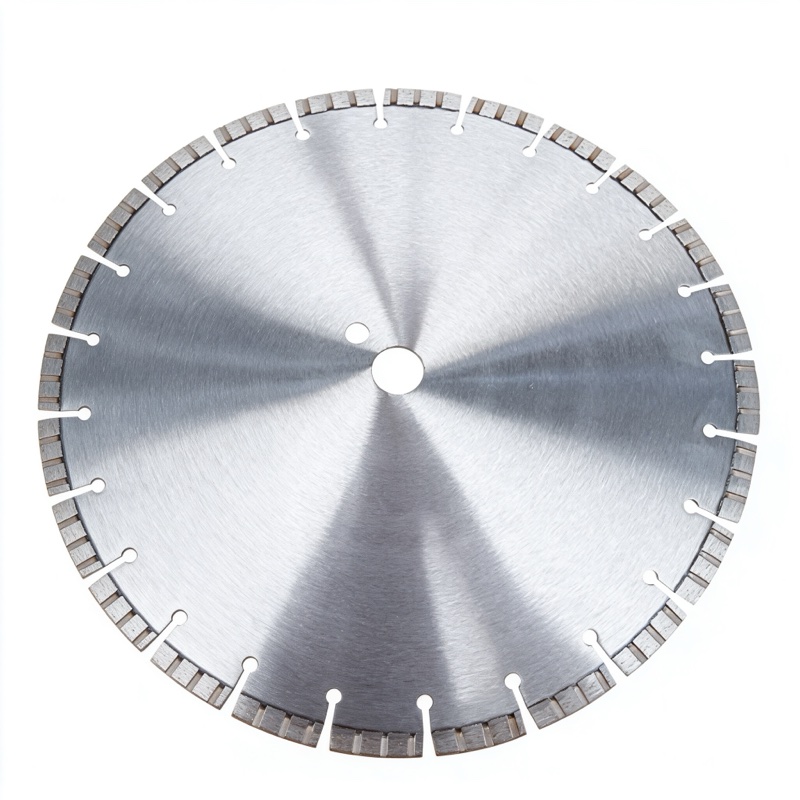
To prevent chipping when cutting concrete slabs, use a sharp blade matched to the aggregate, cut from both faces or support the underside of the cut, and make several shallow passes instead of one deep cut. The exit side of the blade is where most chips form, so back the slab with a sacrificial board or cut from the finished face last. Wet cutting keeps the blade cool and reduces breakout on the bottom edge.
Chipping happens because the blade pushes aggregate and paste outward instead of cutting it cleanly. On the entry face the blade presses material into the slab; on the exit face it pushes material out with nothing to support it, so the bottom edge breaks away. Two factors decide how much chip-out you get: blade sharpness and the support under the cut.
Use a blade that is actually sharp and matched to the slab. A diamond saw blade with a continuous rim or fine segments produces the cleanest edges on thin or finished slabs, while segmented blades cut faster but leave a slightly rougher edge. For slabs with hard aggregate, a blade with a softer bond self-sharpens and keeps cutting instead of glazing, which directly prevents edge tearing.
Dress the blade before the cut: run it in a piece of abrasive block or make a quick pass in scrap concrete to expose fresh diamonds. A fresh edge cuts, a glazed edge crushes.
The single most effective trick is to control which face shows the chips. If the top of the slab is the finished face, you have two options:
For a clean cut on both faces, score both sides lightly first, then cut through from the top. The pre-scored bottom line acts as a guide for the final pass and limits breakout to the shallow groove. This two-face technique is the same logic used for cutting tile without chipping.
Do not plunge a fresh blade to full depth. Make the first pass at 25% depth, the second at 50%, then full depth. Shallow passes give the blade time to cut each layer before force builds at the edge. Keep the saw speed steady — pushing faster does not cut faster, it heats the blade and increases breakout.
Water makes a measurable difference on edge quality. Wet cutting cools the rim, keeps the diamonds sharp, and flushes fines out of the groove so the blade does not ride on its own dust. If dry cutting is unavoidable, slow down and let the blade cool in free air between passes.
If you are working on slabs that sit on a finished floor, protect the floor and manage the slurry — the same setup applies when cutting concrete outdoors. For asphalt, the technique is similar; see how to cut asphalt with a diamond saw blade.
Small chips at the cut edge can be repaired with a patching mortar: clean the chip, dampen the surface, trowel in a polymer-modified repair mortar, and let it cure before grinding flush. For hairline cracks that run along the cut line, chase them with a diamond wheel and fill with a flexible sealant. If the chipping is severe, treat it as a structural edge issue and consult a contractor before loading the slab.
Match the blade to your slab aggregate with our high-frequency welded saw blades.
The blade exits through the bottom face with no support, so the edge breaks away. Support the underside with a sacrificial board or score both faces before cutting through.
Yes. Water cools the blade, keeps it sharp, and flushes debris, which reduces breakout on both faces. Dry cutting works but is more likely to chip and glaze the blade.
A sharp blade matched to the aggregate helps most. Continuous-rim or fine-segment blades give cleaner edges; coarse segmented blades cut faster but chip more on finished surfaces.
Yes. Score both faces lightly, then cut through from the finished face. The shallow underside score confines breakout to the groove and keeps both edges clean.
Chip-free concrete cutting is achievable with the right combination: a sharp, matched diamond blade, controlled shallow passes, support on the exit face, and water when possible. Plan the cut so the visible face is protected, and repair any minor breakout before it grows. With these habits, concrete slabs cut clean, straight, and ready to install.
Written and reviewed by JOY TECH — an SGS & BV audited, CE/RoHS certified diamond tools manufacturer founded in 2004, exporting to 50+ countries.
Our factory and QMS are audited by SGS and Bureau Veritas. Products meet CE/RoHS requirements and every piece is 100% inspected before packing.
Verified Certificates
