Average response time: under 24 hours
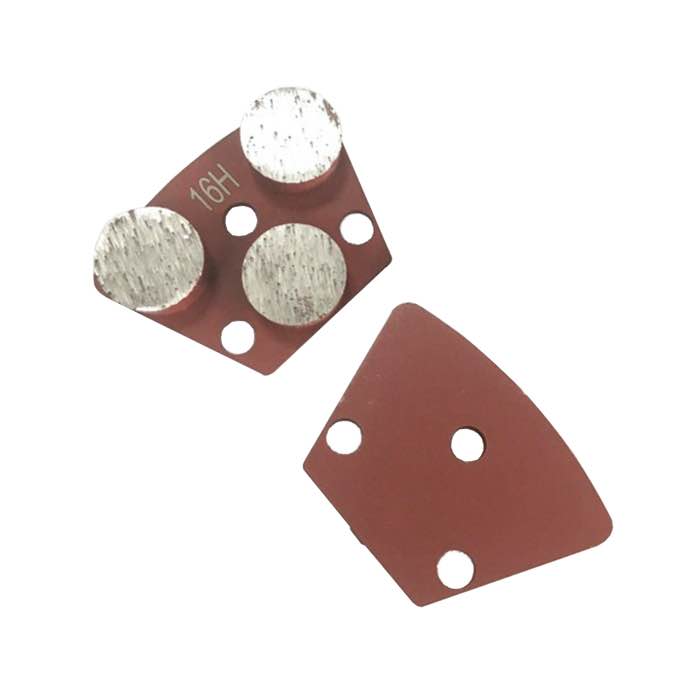
To remove paint stains from concrete with a grinder, sweep the area, then grind the stained zone with a coarse metal-bond diamond disc or cup wheel in overlapping passes until the paint and the concrete beneath it are removed. Paint sits in the pores and often needs to be ground out to 1-2 mm depth, not just skimmed. Feather the ground area into the surrounding concrete and finish with a finer grit if the surface will be sealed. Use a dust shroud — grinding paint creates contaminated dust you should vacuum with a HEPA-rated unit.
Not all paint stains need grinding. Fresh latex paint can often be lifted with a scraper and solvent. Oil-based paint that has soaked into the pores, or multiple old coats, almost always needs mechanical removal. Check the depth by scraping: if paint remains in the pores after scraping, grinding is the right tool. Also check what the paint is — lead paint requires wet grinding and containment, never dry grinding, because the dust is toxic.
For paint removal on concrete, use a coarse diamond tool: a metal-bond disc in 16-30 grit, or a PCD (polycrystalline diamond) tool for thick epoxy and coatings. A PCD tool for coating removal strips thick films fast without the loading that a regular diamond disc suffers on soft paint. On a floor grinder, a coarse metal-bond trapezoid disc covers area efficiently; on edges and corners, use a handheld grinder with a cup wheel.
Match the tool to the coating. Soft latex loads (clogs) a diamond disc quickly; PCD or a coarse open bond resists loading better. If the disc loads up, stop and clean it or switch grit rather than pushing a clogged disc.
Sweep and vacuum the floor first so the disc does not grind on debris. Grind the stained area in overlapping passes, letting the disc weight cut. Paint is softer than concrete, so the disc removes the paint and a thin layer of concrete together. Work until the stain is gone and you can see clean aggregate — grinding until the color is even means the paint is fully out of the pores.
Feather the edges of the ground zone so the transition to the unground concrete is gradual, especially if you will seal or polish the floor. If the stain extends to a wall edge, finish with a handheld grinder and blend the hand-ground area into the machine passes. Follow the same overlap rules that apply to any flat grind — see grinding concrete without a grinder for edge techniques when a machine cannot reach.
Grinding paint creates dust that may contain old lead or chemical residue. Use a dust shroud and a HEPA-rated vacuum for dry grinding; for any suspected lead paint, grind wet and collect the slurry, never dry. After grinding, vacuum the area, then wipe the concrete with a damp cloth to confirm no residue remains. Dispose of the paint dust and slurry according to local regulations — do not sweep it outside or wash it into a drain.
Once the surface is clean, decide the finish: leave it as ground, seal it, or continue with finer grits toward a polished surface. If you plan to seal, remove the grinding dust completely first or the sealer will blush.
For stripping thick coatings, a PCD tool such as our PCD tooling for epoxy and coating removal resists loading where diamond discs clog.
Yes. A coarse diamond disc or PCD tool grinds the paint and a thin layer of concrete out of the pores. Use overlapping passes and a dust shroud, and grind until clean aggregate shows.
A coarse metal-bond disc (16-30 grit) for thin paint, or a PCD tool for thick epoxy and industrial coatings. Match the tool to the coating to avoid disc loading.
Paint soaks into the pores, so you usually grind 1-2 mm into the concrete until clean aggregate shows. Skimming the surface leaves paint in the pores.
Dry grinding creates dust that may contain lead or chemicals. Use a dust shroud and HEPA vacuum; for suspected lead paint, grind wet with full containment.
Paint on concrete comes off fastest with the right grind: assess whether scraping can handle it, then remove stubborn coatings with a coarse diamond disc or PCD tool in overlapping passes until the concrete is clean. Manage the dust safely, feather the edges, and finish with the sealer or polish you planned. Grinding removes the stain at the root — out of the pores — so it does not come back.
Written and reviewed by JOY TECH — an SGS & BV audited, CE/RoHS certified diamond tools manufacturer founded in 2004, exporting to 50+ countries.
Our factory and QMS are audited by SGS and Bureau Veritas. Products meet CE/RoHS requirements and every piece is 100% inspected before packing.
Verified Certificates
