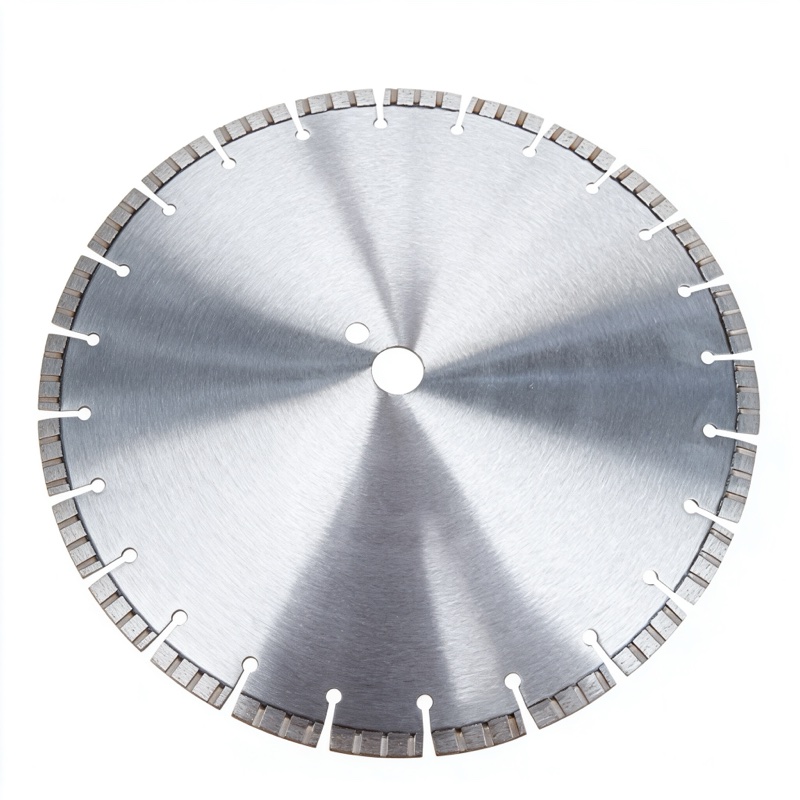
Choose by duty: laser welding for the toughest jobs (concrete, rebar, asphalt — no heat to weaken the bond), high-frequency welding for general stone and concrete work at a lower cost, and silver brazing for softer, precision materials like marble and tile where strength demand is lower.
| Factor | Laser Welded | HF Welded | Silver Brazed |
|---|---|---|---|
| Joint strength | Highest | High | Moderate |
| Heat resistance | Excellent | Good | Fair |
| Best materials | Concrete, rebar, asphalt | Stone, concrete, masonry | Marble, tile, soft stone |
| Cost | Highest | Medium | Lower |
A: For strength and heat resistance, yes. But it costs more, so match the welding to the job — brazed blades are fine for marble and tile.
A: Only light, aggregate-free concrete. For reinforced or abrasive concrete, use laser or HF welded.
A: Check the label or the joint: laser welds look like a seamless silver band; brazed joints show a distinct filler line.
Match welding to the material and duty. For concrete and asphalt, the Concrete and Asphalt Saw Blade (Laser Welded) — JOY-CA-LW uses laser welding for maximum strength; for ceramic and tile work, the Ceramic Saw Blade (High Frequency Welded) — JOY-CR-HF is a solid HF-welded choice.
