

Wet Core Drilling Overhead: Water Management
Wet Core Drilling Overhead: Water Management
Quick Answer
Use a water shroud with a vacuum ring and a low, steady flow. Seal the shroud to the slab, run the vacuum before opening the water valve, and check the return before the bit enters the concrete. Never let water run unchecked on an overhead slab.
The Problem With Overhead Water
Gravity sends water and slurry down the wall, into the drill motor and onto the floor. A wet core bit needs water at the segment, but the water does not need to flood the work area. The goal is a controlled flow that reaches the segment and returns to the vacuum.
Setup
- Use a shroud with a flexible lip and a vacuum port.
- Connect the vacuum to a wet/dry unit with a slurry separator.
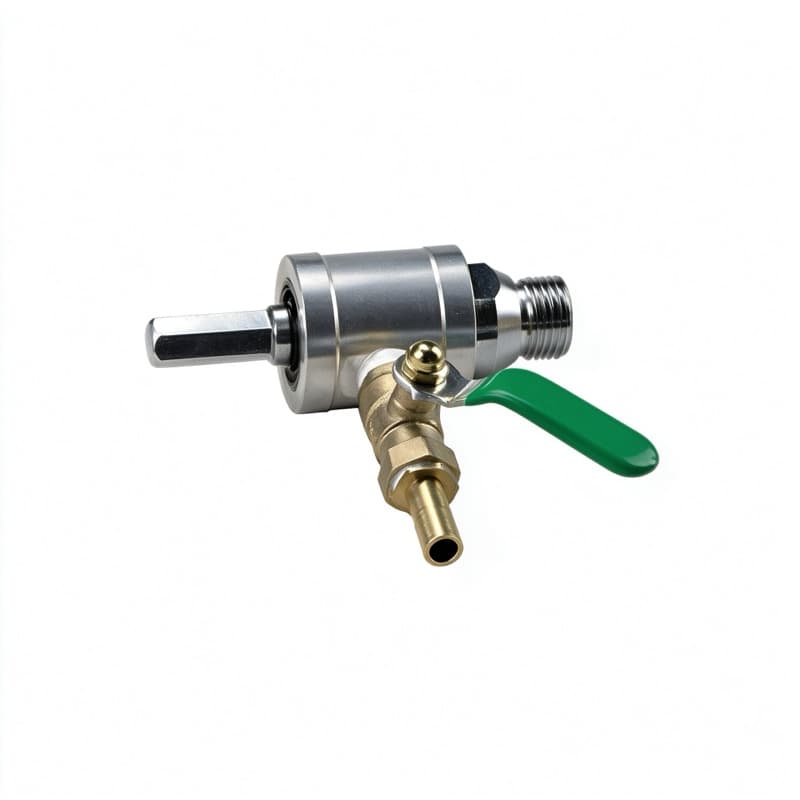
- Use a water valve at the drill or at the shroud so flow can be adjusted without moving the rig.
- Anchor the rig and support the core before cutting.
Starting the Cut
Start the vacuum, then open the water valve to a low flow. Touch the bit to the slab and watch the return. If water escapes the shroud, reduce the flow or reseat the lip. If the return stops, stop drilling and clear the ports.
Use a pilot hole or a guide plate to start the bit without wandering. Once the bit is in the slab, keep the feed steady and watch the water return.
Finishing
When the bit breaks through, stop the feed and let the core settle. Close the water valve before removing the bit. Keep the vacuum running until the shroud is dry, then remove the core with a splitter. Do not let the core fall; it can damage the slab or the rig.
Frequently Asked Questions
Q: Can I drill overhead without water?
A: Only with a dry core bit and a dust shroud. A wet bit must not be run dry.
Q: Why does the shroud leak?
A: The lip is not seated, the slab is uneven, or the flow is too high. Reseat the shroud and reduce the flow.
Q: How do I catch the slurry?
A: Use a wet/dry vacuum with a slurry separator and a shroud that covers the hole. A bucket alone will not capture the fine solids.
Conclusion
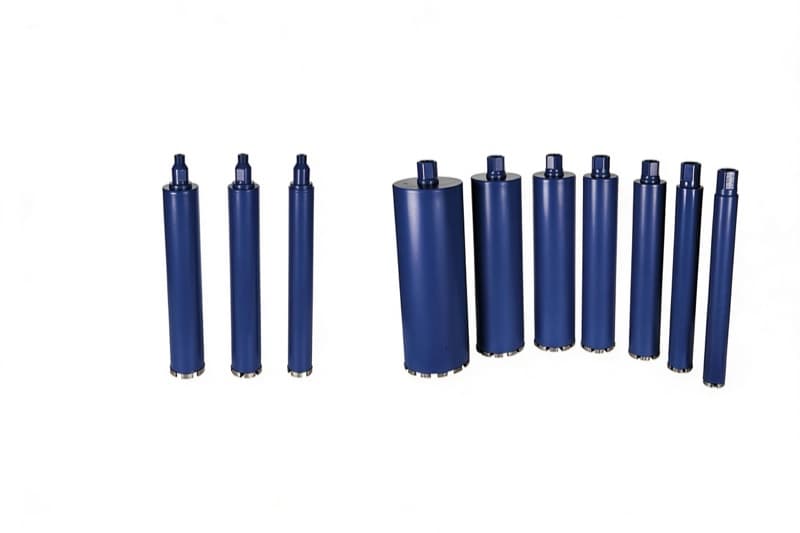
Overhead drilling is a containment job. Seal the shroud, control the flow and watch the return. A water valve adapter gives fine control; a wet core bit with open water channels keeps the cut cool.
Products used in this guide
Need this tool for your job?
MOQ 1 · 7–30 days by order quantity · FOB & CIF · free sample on request
Author & Manufacturer
Written and reviewed by JOY TECH — an SGS & BV audited, CE/RoHS certified diamond tools manufacturer founded in 2004, exporting to 50+ countries.
Quality & Compliance
Our factory and QMS are audited by SGS and Bureau Veritas. Products meet CE/RoHS requirements and every piece is 100% inspected before packing.
Verified Certificates
- SGS Audited Supplier — Report No. QIP-ASI227442 & QIP-ASR247051 (Audit Jan 29, 2024)
- Bureau Veritas Verified — Report No. MIC-ASR257059 (Audit Feb 20, 2025)
- CE & RoHS Certificate of Conformity — No. CS240925001HRZ (Issue Sep 25, 2024)