Average response time: under 24 hours
Wet cutting is the default for most concrete jobs: it controls dust, keeps the blade cool, and extends segment life by two to three times. Dry cutting is reserved for indoor or remote jobs where water is not allowed or cannot be cleaned up, and for short cuts under 300 mm. If you can run water to the saw, wet cut; if dust collection is mandatory and water is impossible, use a dry-cut blade with a HEPA-equipped vacuum and make short passes. Never run a wet-cut blade dry for long, and never try to wet cut without a way to handle the slurry.
Water does three jobs at the blade. It cools the segment and core, which keeps the diamond bond working at its designed rate and prevents the core from warping. It flushes the cut kerf so chips do not get recut, which makes the saw feed easier. And it captures almost all of the silica dust that causes silicosis. For a contractor, that last point alone usually settles the argument: wet cutting is required on most commercial sites because of silica exposure rules.
The downside is slurry. A walk-behind saw cutting a 150 mm slab produces about 20 to 40 liters of slurry per hour, and you cannot just pour it into a storm drain. Most sites require a slurry vacuum or a containment ring around the cut. If you cannot capture the water, wet cutting moves a dust problem into a water problem.
Dry cutting wins when water is the bigger problem. Indoors, on a finished floor, or in a basement where water would flood the space, a dry-cut segmented blade with a vacuum hood is the clean option. In cold weather, water on a slab turns to ice and can damage the joint; dry cutting avoids that. Dry cutting is also faster to set up: no hose, no water tank, no cleanup. For a single control joint in a driveway or a short opening in a wall, dry cutting is practical.
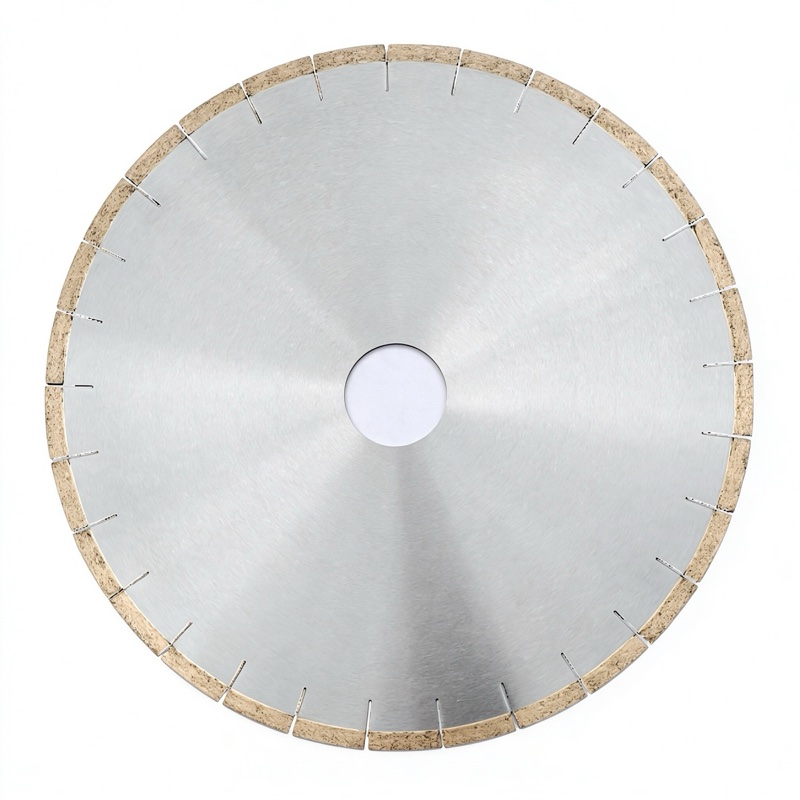
A standard wet-cutting blade run dry will glaze and overheat within minutes. A dry-cut blade has a wider kerf, harder bond, and deeper gullets to cool by air. The JOY CA-LW laser-welded blade handles both wet and short dry work, but for repeated dry use, look for a blade marketed as dry-cut or multi-purpose. The high-horsepower laser-welded blade is built for sustained dry cuts on thick slabs, and the high-frequency welded version adds segment retention when dry cuts hit rebar.
Concrete dust contains crystalline silica, which is the cause of silicosis, an irreversible lung disease. OSHA in the United States and similar regulators elsewhere now require respiratory protection or dust capture when cutting concrete. A wet saw with 4 liters per minute of water captures over 95 percent of the respirable dust. A dry saw without a vacuum captures none of it, even if the operator wears a mask. A dry saw with a HEPA vacuum hood captures about 90 percent, but the vacuum must be rated for concrete dust and the filter changed often.
For a homeowner on a weekend project, this sounds like overreach. But the concrete dust you cannot see is the dangerous part: particles under 10 micrometers travel deep into the lungs and do not clear. If you are cutting more than a few feet, wet is the safer choice, period.
Use dry cutting when:
Use wet cutting when:
A dry-cut blade on reinforced concrete may last 100 to 200 running meters before it cuts slowly. The same blade wet can last 300 to 600 running meters. The difference is not just the price of the blade; it is the time spent stopping to swap blades, and the chance that a dry blade will overheat and throw a segment mid-cut. On a long job, wet cutting is cheaper even if you have to rent a slurry vacuum.
Dry cutting also changes the cut itself. The blade runs hotter, the kerf is slightly rougher, and the concrete along the edge can micro-crack from the heat. For a decorative cut or a joint that will be exposed, wet cutting gives a cleaner edge and a quieter saw.
For wet cutting, set the water flow to just enough that the slurry is thick but not running. Too much water makes a mess; too little lets dust escape. Aim the water nozzle at the blade just ahead of the cut, not at the side of the blade. For dry cutting, make sure the vacuum hose does not pull on the saw, and take a short 30-second break every minute to let the blade cool and to clear the gullets. Never run a dry blade at full depth on the first pass; score first, then deepen, exactly as you would wet cutting.
Written and reviewed by JOY TECH — an SGS & BV audited, CE/RoHS certified diamond tools manufacturer founded in 2004, exporting to 50+ countries.
Our factory and QMS are audited by SGS and Bureau Veritas. Products meet CE/RoHS requirements and every piece is 100% inspected before packing.
Verified Certificates
