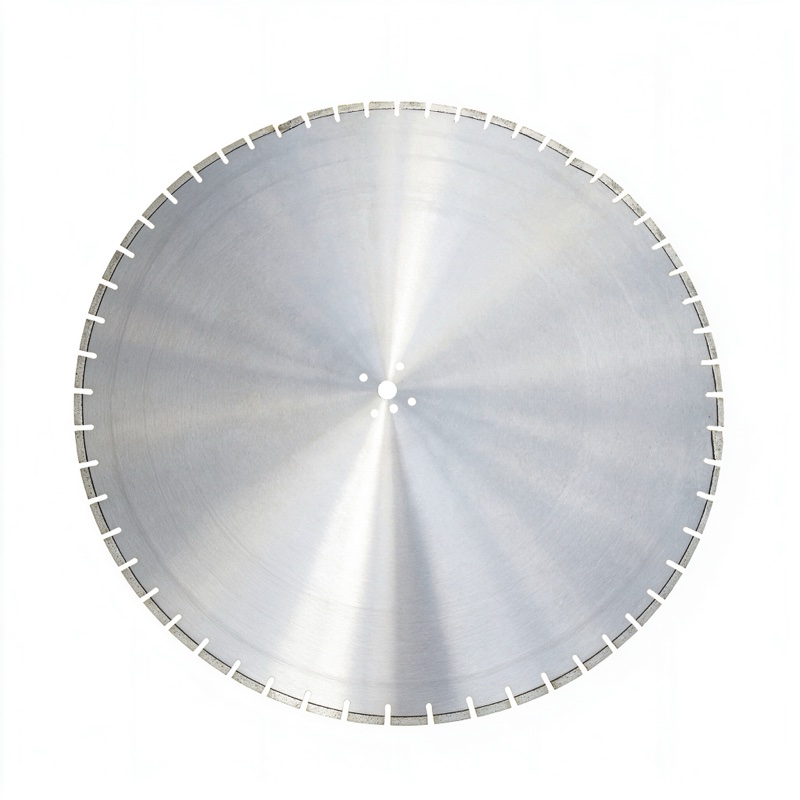
A diamond blade that turns blue, smokes or burns the edge of the cut is overheating. The blue temper color on the steel core means the core has reached high temperature. Usual causes are: cutting dry when the blade needs water, running too high RPM, a dull or glazed blade that rubs instead of cutting, forcing the feed, or the blade binding in the kerf. Stop immediately - overheating destroys segments, warps the core and is a safety hazard.
The steel core of a diamond blade develops blue/purple temper colors when it is heated well beyond its normal working range. This is not decorative - it means the core has lost strength, can warp, and segments may loosen or crack. Once a blade has turned blue, inspect it carefully; if the core is warped or segments are damaged, replace it rather than risk failure.
First, let the blade stop and air-cool - never quench a hot blade with water suddenly. Then address the cause:
| Cause | Correct action |
|---|---|
| No water | Turn on steady water flow to the rim (wet cuts) |
| Too fast RPM | Match saw speed to blade rating |
| Dull blade | Dress or replace the blade |
| Forced feed | Let the blade cut at its own pace |
| Binding | Wedge the kerf open; support the work |
Use blades designed for the load and material. For heavy floor-saw work that generates a lot of heat, a high-horsepower laser-welded blade such as our high-horsepower blade is built to shed heat and stay stable, while the standard laser-welded concrete blade suits general wet and dry cutting.
An overheated blade can shatter. Never continue cutting with a blade that smokes, smells burnt or has blue discoloration on a warped core. Replace damaged blades; a new blade costs far less than an injury.
Heat is the silent killer of diamond blades. Every degree above the safe working range softens the bond, accelerates diamond loss and eventually warps the core. That is why proper cooling matters more than any other habit: a well-cooled blade can last many times longer than one run hot. When budgeting, remember that a blade that overheats halfway through a job costs more in wasted time than a correct blade would have cost upfront.
If you repeatedly see blue blades on the same site, look at the system, not just the blade. Is the saw RPM too high for the blade diameter? Is the operator forcing feed? Is water flow inadequate? Often the fix is procedural - slowing the feed, adding water, or using a larger, slower blade - rather than buying a different product. Track which jobs overheat and adjust the whole setup.
Make water flow and feed rate part of every operator's checklist before a cut starts. A few seconds of confirming cooling at the beginning prevents hours of blade damage. Teach crews to watch for blue discoloration early and stop immediately when it appears.
Inspect blades before each shift for blue discoloration or wobble. Catching an overheated blade early prevents it from failing mid-cut.
When a blade heats up mid-job, let it air-cool fully before resuming. Never douse a hot blade with water, as thermal shock cracks the core.
If the core is flat and segments are intact, lightly used, it may still cut, but inspect closely. Warped or cracked cores must be replaced.
Enough to keep the rim continuously wet and flush swarf, typically a steady stream at the contact point.
Dramatically. Heat burns the bond and pulls diamonds out early; proper cooling doubles blade life.
A blue blade is a warning to stop and fix cooling, speed or dullness. Respect water flow, RPM ratings and feed pressure. The takeaway is that heat is the hidden enemy. Proper water, correct RPM and an easy feed keep blades cool and long-lasting. Stop at the first sign of blue, and you avoid costly failures. Contact JOY TECH for a quote on heat-resistant laser-welded blades for demanding concrete and stone work.
