Average response time: under 24 hours
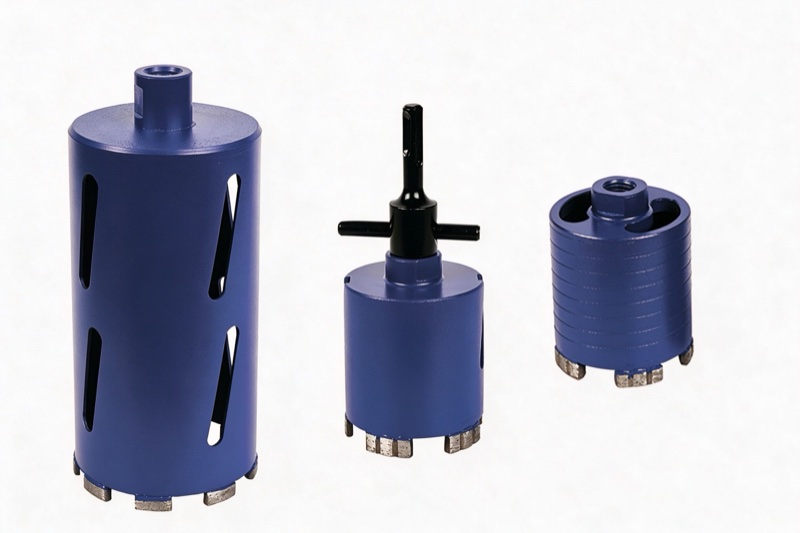
If the core bit stops drilling, check in order: glazed crown, wrong bit type for the material, low RPM, poor anchoring, and worn segments. Most problems are fixed by dressing the crown, adding water, or correcting speed and feed.
| Symptom | Cause | Fix |
|---|---|---|
| Slides, no progress | Glazed crown | Dress on an abrasive block |
| Slow, hot | Low RPM or no water | Check speed, add water |
| Wanders at start | Poor anchoring | Anchor the rig firmly |
| Stops on steel | Soft crown on rebar | Hardened crown, slower feed |
| No diamond left | Worn segments | Replace the bit |
A>Whenever the crown looks shiny and the cut slows. Regular light dressing keeps the crown sharp.
A>Overheating from no water, too fast feed, or wrong bit type. Stop, cool, correct the cause.
A>Usually not economically. Replace it when the segment height is nearly gone.
Diagnose in order: glaze, water, speed, anchor, wear. A matched bit like the Diamond Core Drill Bit (Wet) — JOY-DCB-W or Diamond Dry Core Bit — JOY-DDC avoids most of these problems when run correctly.
Most drilling problems are diagnosable in minutes: a shiny crown needs dressing, cold means speed or water is off, and wandering points at anchoring. But once the diamond layer is genuinely worn down to the segment base, no amount of dressing restores cutting — the bit must be replaced. Keep a spare crown on long jobs so troubleshooting does not mean downtime. If a bit wears out far faster than expected across several jobs, send the supplier the material, machine speed and water flow you actually use; a mismatch between the crown and the job shows up first as unexplained wear.
Written and reviewed by JOY TECH — an SGS & BV audited, CE/RoHS certified diamond tools manufacturer founded in 2004, exporting to 50+ countries.
Our factory and QMS are audited by SGS and Bureau Veritas. Products meet CE/RoHS requirements and every piece is 100% inspected before packing.
Verified Certificates
