
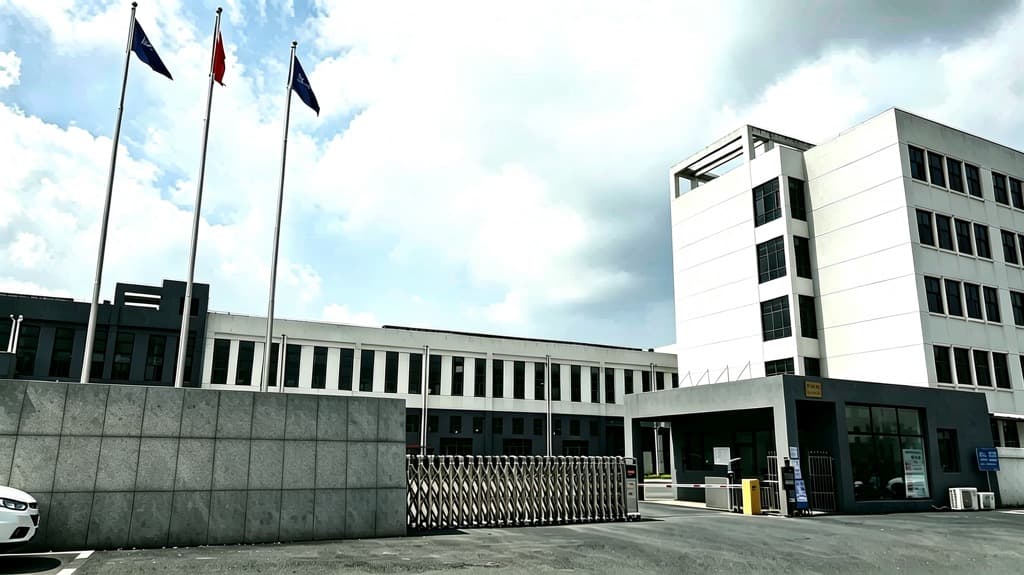
Universal Stone Cutting Blade — JOY-US
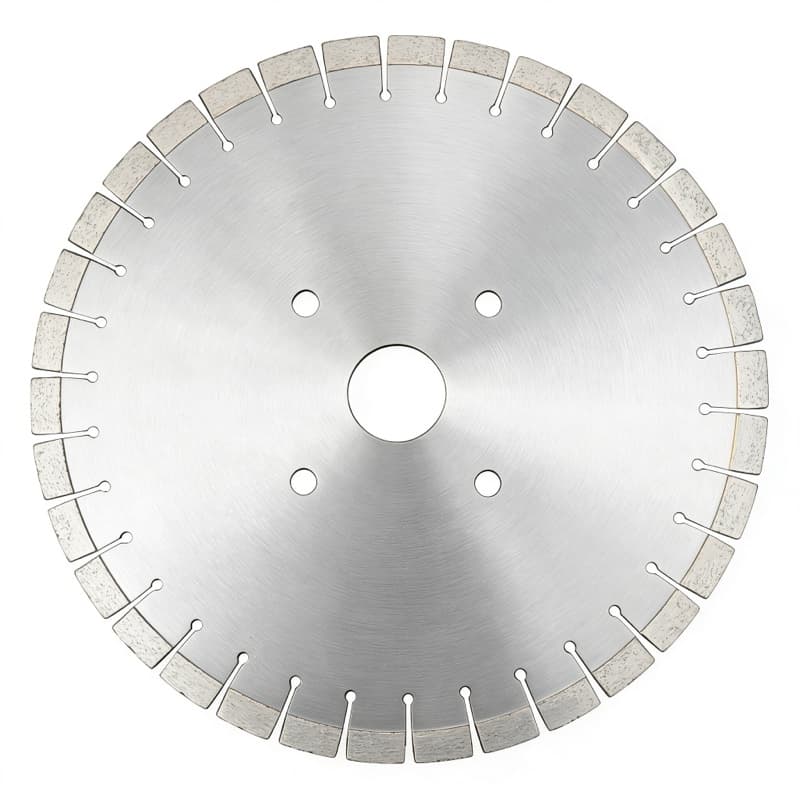
Universal Stone Cutting Blade — JOY-US
Category: CUTTING SOLUTIONS
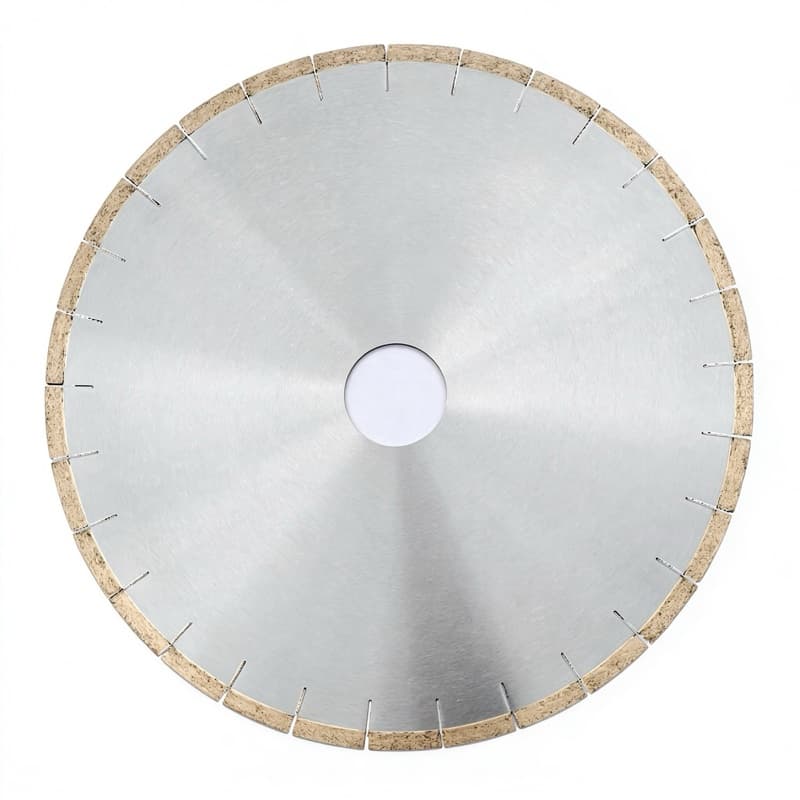
Universal Stone Cutting Blade It can cut granite, quartz stone, artificial stone, etc. With a wide cutting range, it demonstrates excellent universal cutting performance for multi-material stone fabrication. Key Features: Universal cutting across granite, quartz and artificial stone Wide cutting range with one blade Good all-round sharpness Less chipping on multiple materials Cost-effective multi-purpose blade Specifications: Diameter (in/mm) Steel Core (mm) Segment No. Segment Thickness (mm) Segment Height (mm) 12"/300 2.2 21 3.0 12 14"/350 2.2 25 3.0 12 16"/400 2.4 29 3.2 12 Other specifications are available upon request. Silent and non-silent blades are available for choice. Applications: Granite cutting Quartz slab cutting Artificial stone cutting General stone fabrication.
Universal Stone Cutting Blade
It can cut granite, quartz stone, artificial stone, etc. With a wide cutting range, it demonstrates excellent universal cutting performance for multi-material stone fabrication.
Key Features:
- Universal cutting across granite, quartz and artificial stone
- Wide cutting range with one blade
- Good all-round sharpness
- Less chipping on multiple materials
- Cost-effective multi-purpose blade
Specifications:
| Diameter (in/mm) | Steel Core (mm) | Segment No. | Segment Thickness (mm) | Segment Height (mm) |
|---|---|---|---|---|
| 12"/300 | 2.2 | 21 | 3.0 | 12 |
| 14"/350 | 2.2 | 25 | 3.0 | 12 |
| 16"/400 | 2.4 | 29 | 3.2 | 12 |
Other specifications are available upon request. Silent and non-silent blades are available for choice.
Applications:
- Granite cutting
- Quartz slab cutting
- Artificial stone cutting
- General stone fabrication
Overview
Diamond cutting tools — including saw blades, wall saw blades, and wire saws — use diamond-impregnated segments to cut through the hardest construction materials including reinforced concrete, asphalt, granite, marble, and tile. The diamond particles act as microscopic cutting teeth that grind through material while the metal bond wears at a controlled rate to expose fresh diamonds. These tools are essential in construction, demolition, stone fabrication, and road maintenance, delivering cuts that are faster, cleaner, and more precise than abrasive or carbide alternatives.
Key Features
- ✓Cuts reinforced concrete, asphalt, granite, marble, tile, and masonry with minimal chipping
- ✓Laser-welded segments for dry-cut safety — segments will not separate even under high heat
- ✓Wide diameter range from 105mm angle grinder blades to 1600mm wall saw blades
- ✓Application-specific bond formulas for concrete, asphalt, stone, and tile
- ✓Long cutting life — a 350mm concrete blade can cut 50–150 linear meters depending on material
Specifications
| Bond Type | Sintered / laser-welded / silver-brazed |
| Diameter | 105mm – 1600mm (custom sizes) |
| Arbor Hole | 20mm, 22.23mm, 25.4mm, 60mm |
| Segment Height | 8mm – 15mm |
| Working Material | Concrete, asphalt, granite, marble, tile |
| Wet/Dry | Both available (wet recommended for longer life) |
Applications
- ✓Concrete and reinforced concrete cutting
- ✓Asphalt and road cutting
- ✓Granite and marble slab cutting
- ✓Tile, porcelain, and ceramic cutting
- ✓Wall sawing and floor sawing projects
How to Choose
- 1
Identify the primary material: concrete (with or without rebar), asphalt, granite, marble, or tile — each requires a different bond formula
- 2
Match blade diameter to your saw: 105–125mm for angle grinders, 300–400mm for floor saws, 600–1600mm for wall saws
- 3
Choose laser-welded for dry cutting or reinforced concrete (safety), silver-brazed for wet-only stone cutting (economy)
- 4
Select segment type: turbo segments for fast, rough cuts; continuous rim for chip-free tile and stone cutting; segmented rim for general concrete
Terminology
Laser-Welded
Segments attached to the steel core using a laser weld. Creates a bond stronger than the segment itself, allowing safe dry cutting without segment separation.
Silver-Brazed
Segments attached using silver solder. Economical but sensitive to high heat — must be used wet to prevent braze melting and segment loss.
Segment Height
The diamond-impregnated portion of the blade. Taller segments (12–15mm) provide longer cutting life than standard 8–10mm segments.
Arbor Hole
The center hole that mounts the blade to the saw. Common sizes: 22.23mm (7/8") for angle grinders, 25.4mm (1") for small saws, 60mm for large floor/wall saws.
Safety Tips
- ⚠Always wear safety glasses, hearing protection, and cut-resistant gloves when operating diamond saws
- ⚠Never exceed the maximum RPM marked on the blade — overspeeding can cause blade fracture
- ⚠Ensure the blade guard is properly installed and adjusted before cutting
- ⚠Allow the blade to reach full speed before contacting material, and never force the blade into the cut
Frequently Asked Questions
What is the difference between laser-welded and silver-brazed blades?
Laser-welded blades can be used dry without segment loss (higher safety) and are ideal for concrete and asphalt. Silver-brazed blades are more economical but must be used wet to prevent overheating and braze melting.
How do I match the blade to the material?
Use a soft-bond blade for hard materials like granite and hard concrete (to expose diamonds quickly). Use a hard-bond blade for soft, abrasive materials like asphalt and limestone (to slow segment wear). Rebar-containing concrete requires a medium bond with impact-resistant segments.
What RPM should I run my diamond blade at?
Follow the maximum RPM marked on the blade. Typical ranges: 105–230mm blades at 10,000–13,000 RPM; 300–400mm at 6,000–8,000 RPM; 500mm+ at 3,000–4,500 RPM. Running too fast causes overheating; too slow causes glazing.
Why is my diamond blade not cutting?
The most common cause is glazing — the bond has worn unevenly and diamonds are no longer exposed. Dress the blade by cutting abrasive material (soft concrete block or sandstone) for 30–60 seconds. If the blade is hard-bond on hard material, switch to a softer bond.
How long does a diamond saw blade last?
A 350mm general-purpose concrete blade typically cuts 50–150 linear meters. Stone-cutting blades can last 200–500 meters on granite. Life depends on material hardness, aggregate type, wet/dry use, and operator technique.
Can I cut reinforced concrete with a standard blade?
Yes, but use a blade specifically designed for reinforced concrete with a medium bond and impact-resistant segments. Rebar causes sudden impact loads that can chip or break segments on blades designed for plain concrete.
Warranty & Returns
12-Month Warranty
Every product is covered by a 12-month warranty against manufacturing defects in materials and workmanship. If a defect is confirmed, we replace the tool or refund the order — your choice.
Inspection on Delivery
Please inspect goods within 7 days of receipt. For any quality issue, send photos or a short video to our support team — we respond within 24 hours and settle replacements or returns promptly.
Trade Terms & Ordering
| MOQ | 1 pc — sample and trial orders accepted |
| Lead time | 7–30 days depending on order quantity |
| Trade terms | FOB and CIF both supported |
| Samples | Free samples available on request (freight collect) |
| Packaging | Standard export packaging, or customised to your requirement (custom packaging requires a higher MOQ) |
Author & Manufacturer
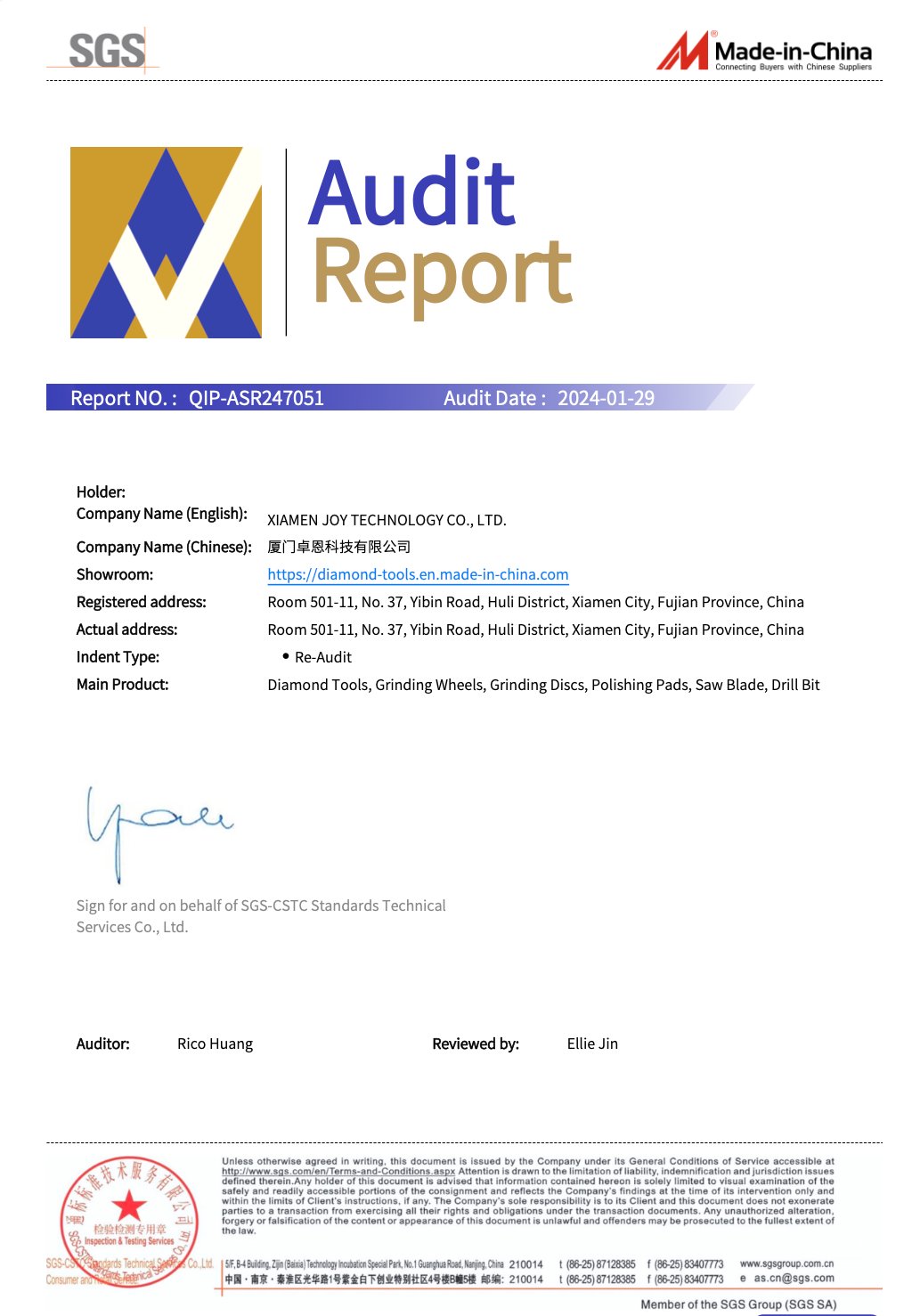
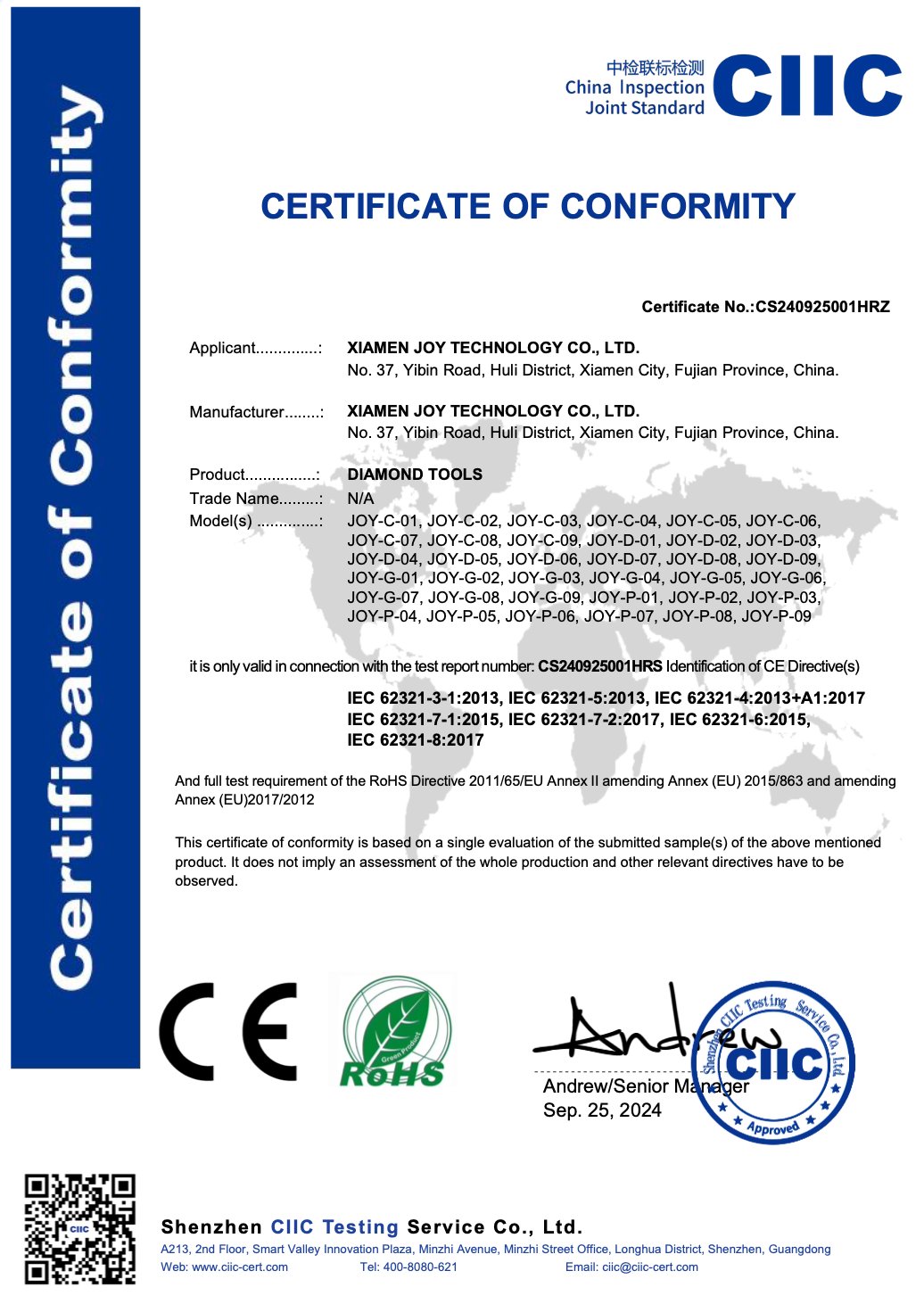
Written and reviewed by JOY TECH — an SGS & BV audited, CE/RoHS certified diamond tools manufacturer founded in 2004, exporting to 50+ countries.
Quality & Compliance
Our factory and QMS are audited by SGS and Bureau Veritas. Products meet CE/RoHS requirements and every piece is 100% inspected before packing.
Verified Certificates
- SGS Audited Supplier — Report No. QIP-ASI227442 & QIP-ASR247051 (Audit Jan 29, 2024)
- Bureau Veritas Verified — Report No. MIC-ASR257059 (Audit Feb 20, 2025)
- CE & RoHS Certificate of Conformity — No. CS240925001HRZ (Issue Sep 25, 2024)

Related Products
View All in CUTTING SOLUTIONS →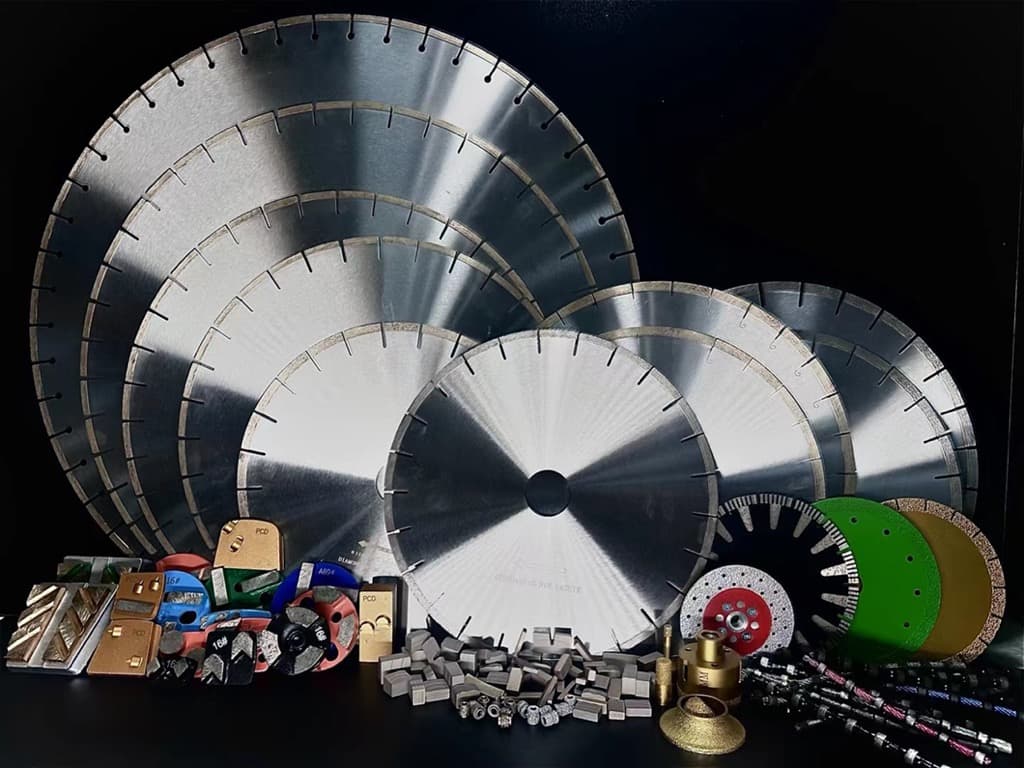
Verified customer feedback
Quotes tied to verified purchase records from contractors in Germany, Australia and Poland after running our tools on real jobs.
“Your blades run very well on our 7.5 kW joint cutter.”
“They run very well in old concrete without steel — about 12 m² per blade, though it could be a little more.”