Average response time: under 24 hours
Concrete grinding typically runs at 90-110 dB at the operator position — loud enough to cause permanent hearing damage within minutes without protection. The noise comes from diamond segments striking aggregate, the motor, and vibration transmitted through the slab. Wear ear protection rated for the level (NRR 25+), use hearing protection for everyone in the room, and reduce the impact by using a machine with a sound enclosure or water cooling, grinding in shorter bursts, and isolating the work area with barriers.
Most concrete grinders produce 90-100 dB at the handle, and handheld angle grinders with cup wheels can exceed 105 dB close to the disc. At 100 dB, safe exposure is about 15 minutes a day before damage risk. At 105 dB it drops to under 10 minutes. The noise is a combination of the motor and the cutting action: the segments hammer the aggregate thousands of times a second, and the slab itself acts as a sounding board that radiates noise through walls and floors.
Wear earplugs, earmuffs, or both. Foam earplugs rated NRR 29-33 reduce the level at the ear by about 25-30 dB in practice. Earmuffs alone run NRR 22-31. For grinding all day, double protection (plugs plus muffs) is the sensible choice. Everyone in the room needs protection, not just the operator — a helper two meters away still hears 90 dB.
If you can hold a conversation at normal volume next to the machine, you are protected. If you must shout, the level is unsafe and protection is insufficient.
The most effective reduction is a machine designed for quiet operation: a floor grinder with an enclosed motor housing and a sound-damped shroud runs several dB quieter than a bare machine. Water cooling also lowers noise by damping the segment-aggregate impact and reducing vibration. Grinding wet can cut 3-6 dB at the disc.
Run the machine at the speed the job needs rather than flat out. For finishing passes, slower speeds are quieter and produce a better finish. On walls, a smaller cup wheel with a shorter pass produces less structure-borne noise than a large disc pressed hard.
Keep the tooling sharp. A glazed or worn wheel vibrates more, and vibration is a large share of the perceived noise. Fresh segments also cut faster, so the job finishes sooner — less total noise exposure. Choose tooling matched to the concrete; see the guide on grinding concrete steps and edges for edge techniques that are also quieter than wide passes.
Grinding generates silica dust along with the noise, so pair the quietest machine you can with the protection in our guide on concrete grinding dust health risks and protection.
Structure-borne noise travels through the slab and can be heard several floors away. To limit it: work in a contained area with doors closed, lay rubber mats or acoustic blankets around the work zone, and schedule noisy passes when the building is empty. If you grind a floor in an occupied building, inform the neighbors and agree on a time window. Cutting a soft joint first with a blade (quieter than grinding) can remove material without the sustained hammering of a cup wheel.
For larger jobs, consider the tool plan: a machine with a wider disc does fewer passes, so total grinding time — and total noise exposure — drops even if each pass is no quieter.
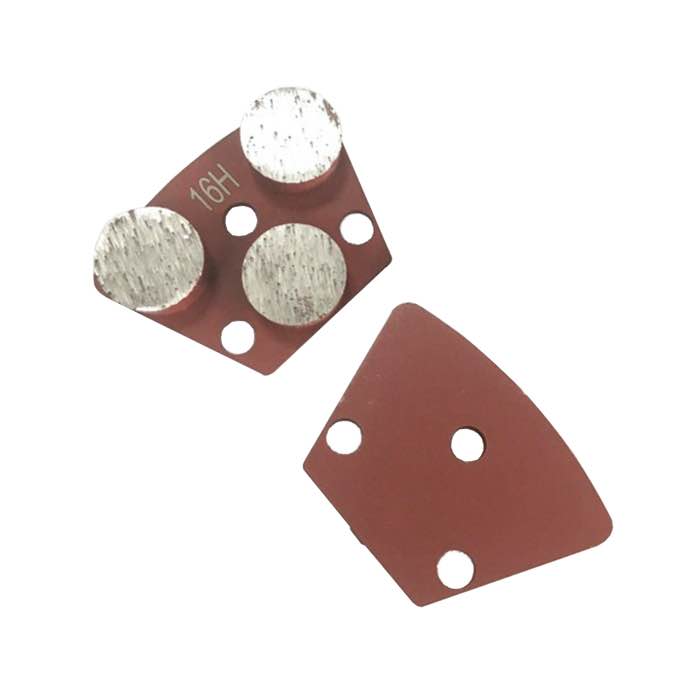
Choose quieter, sharper tooling such as our diamond grinding cup wheels, and pair it with a dust shroud to cut vibration and dust.
Typically 90-110 dB at the operator position. Handheld angle grinders with cup wheels can exceed 105 dB close to the disc; floor grinders run 90-100 dB.
Yes. At 95-105 dB, exposure over minutes can cause permanent damage. Wear earplugs or earmuffs with a high NRR rating, and protect everyone in the room.
Yes, somewhat. Water damps the segment-aggregate impact and reduces vibration, typically cutting 3-6 dB at the disc compared with dry grinding.
Use a sound-damped machine, grind wet, work in short bursts, close doors, isolate the area with mats or blankets, and schedule noisy work when the building is empty.
Concrete grinding is genuinely loud — 90-110 dB — and the risk is real, so hearing protection for everyone in the room comes first. Then reduce the level at the source with sound-damped machines, water cooling, sharp tooling, and sensible speeds, and contain the sound in the building with isolation and scheduling. A quieter job is also a safer, faster job: less vibration means better control and a better finish.
Written and reviewed by JOY TECH — an SGS & BV audited, CE/RoHS certified diamond tools manufacturer founded in 2004, exporting to 50+ countries.
Our factory and QMS are audited by SGS and Bureau Veritas. Products meet CE/RoHS requirements and every piece is 100% inspected before packing.
Verified Certificates
