

Diamond Blade for Cutting Rubber Membrane and Asphalt
Diamond Blade for Cutting Rubber Membrane and Asphalt
Quick Answer
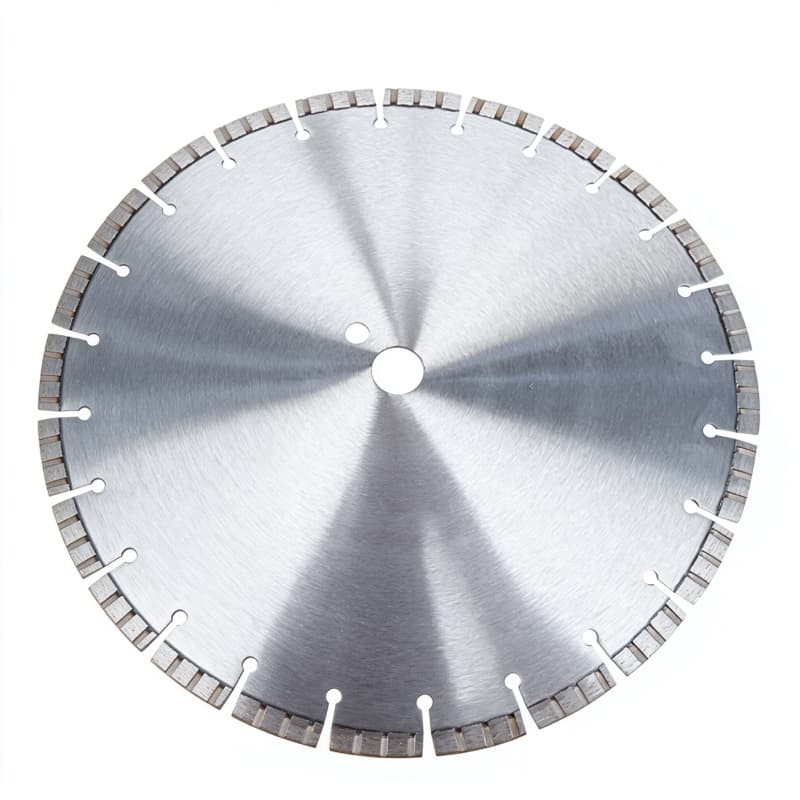
Use a laser-welded, medium-hard bond diamond blade with open gullets to cut rubber membrane and asphalt together — the rubber is abrasive and clogs tight rims, so a segmented blade with wide slots clears it best. Cut dry for asphalt repair work, and replace the blade sooner than for clean concrete because rubber and bitumen wear the bond fast.
Why This Combination Wears Blades
Rubber membrane stretches and clogs, bitumen smears, and the aggregate in asphalt is abrasive. A blade that works on plain concrete will overheat and glaze when the rubber wraps around the rim. You need a blade designed for asphalt that tolerates occasional membrane contact.
What to Look For
- Open segmented gullets — they clear rubber and bitumen instead of clogging.
- Laser welding — segments stay attached under the heat of dual-material cutting.
- Medium-hard bond — hard enough for asphalt aggregate, open enough to self-sharpen.
- Larger diameter for depth — 300–600mm for pavement cuts, 115–230mm for roof membrane work.
The Concrete and Asphalt Saw Blade (Laser Welded) is built for exactly this mix of asphalt and rubber/bitumen debris.
Cutting Tips
- Cut dry for asphalt — water turns bitumen into a sticky slurry that loads the blade.
- Use short passes — let the blade cool between passes to avoid heat build-up.
- Trim membrane with a knife or shears first — pre-cutting the rubber with a utility knife reduces blade load.
- Reduce feed pressure — let the blade chew through the rubber at its own pace.
Frequently Asked Questions
Q: Can a regular concrete blade cut rubber membrane?
It will cut it, but the rubber clogs narrow rims and overheats the blade. An open-gullet asphalt blade clears the rubber much better.
Q: Wet or dry cutting asphalt?
Dry is standard for asphalt. Water creates bitumen slurry that smears over the blade and the cut line.
Q: How long will a blade last on rubber-over-asphalt?
Much shorter than on clean concrete — expect roughly half the life. Buy a dedicated asphalt blade and factor in faster wear.
Conclusion
Rubber-over-asphalt cutting needs an open-gullet, laser-welded asphalt blade that clears debris instead of clogging. Cut dry, use short passes, and treat the blade as a wear item. JOY TECH's laser-welded asphalt blades handle this dual-material work.
Products used in this guide
Concrete and Asphalt Saw Blade (Laser Welded) — JOY-CA-LW
View specs →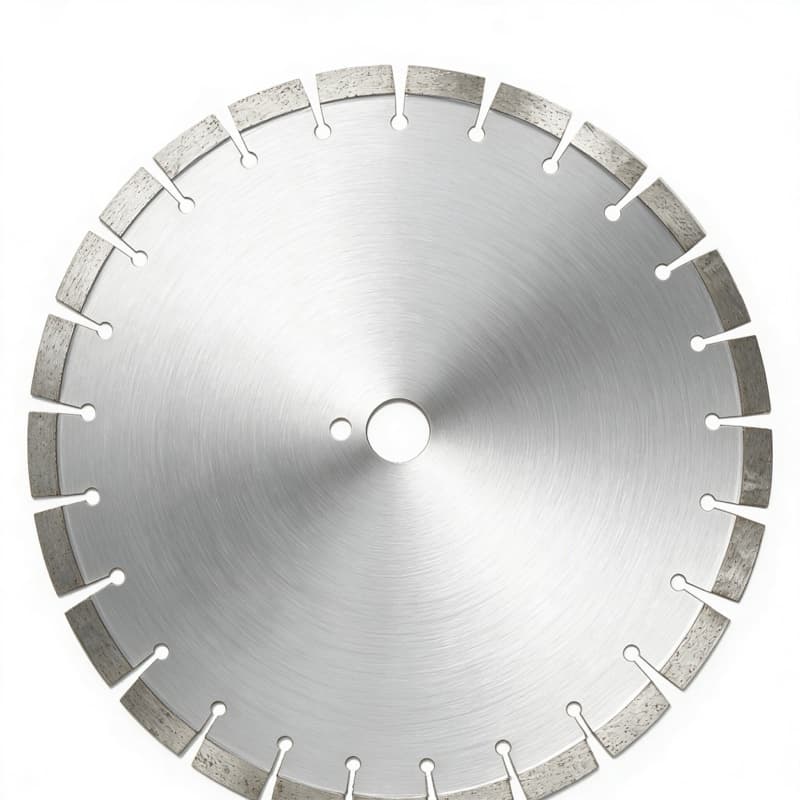
Concrete and Asphalt Saw Blade (High Frequency Welded) — JOY-CA-HF
View specs →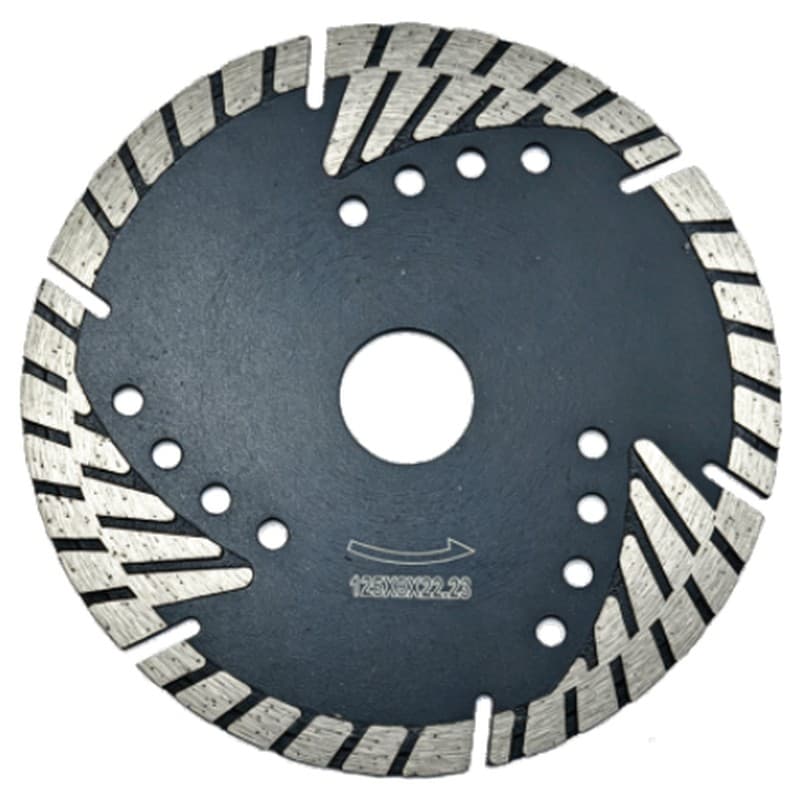
PST Protective Tooth Diamond Saw Blade — Standard — JOY-PST-01
View specs →Need this tool for your job?
MOQ 1 · 7–30 days by order quantity · FOB & CIF · free sample on request
Author & Manufacturer
Written and reviewed by JOY TECH — an SGS & BV audited, CE/RoHS certified diamond tools manufacturer founded in 2004, exporting to 50+ countries.
Quality & Compliance
Our factory and QMS are audited by SGS and Bureau Veritas. Products meet CE/RoHS requirements and every piece is 100% inspected before packing.
Verified Certificates
- SGS Audited Supplier — Report No. QIP-ASI227442 & QIP-ASR247051 (Audit Jan 29, 2024)
- Bureau Veritas Verified — Report No. MIC-ASR257059 (Audit Feb 20, 2025)
- CE & RoHS Certificate of Conformity — No. CS240925001HRZ (Issue Sep 25, 2024)