Cut a perfectly straight line in concrete by using a guide: a chalk line for layout, then a physical guide the saw runs against. For walk-behind saws, screw or clamp a straight 2x4 or steel channel to the slab as a wheel guide, or use a manufacturer's rail/edge guide. For hand-held saws and grinders, clamp an angle iron or cut a plywood guide strip, and run the saw base plate against it. Score the line first, then cut full depth.
| Saw | Guide Method |
|---|---|
| Walk-behind floor saw | Edge guide on the machine, or clamped straight edge for the wheel |
| Hand-held cut-off saw | Clamped angle iron or 2x4, run the shoe against it |
| Angle grinder | Plywood guide strip or fence clamped to the slab |
| Rail / wall saw | Track system — built-in straightness |
| Tile saw | Machine fence |
Measure from the blade edge to the outside of the saw shoe or wheel — that's how far from the chalk line to place your guide. Common offsets: angle grinder 30-60 mm, cut-off saw 80-120 mm, floor saw uses the machine's edge guide.
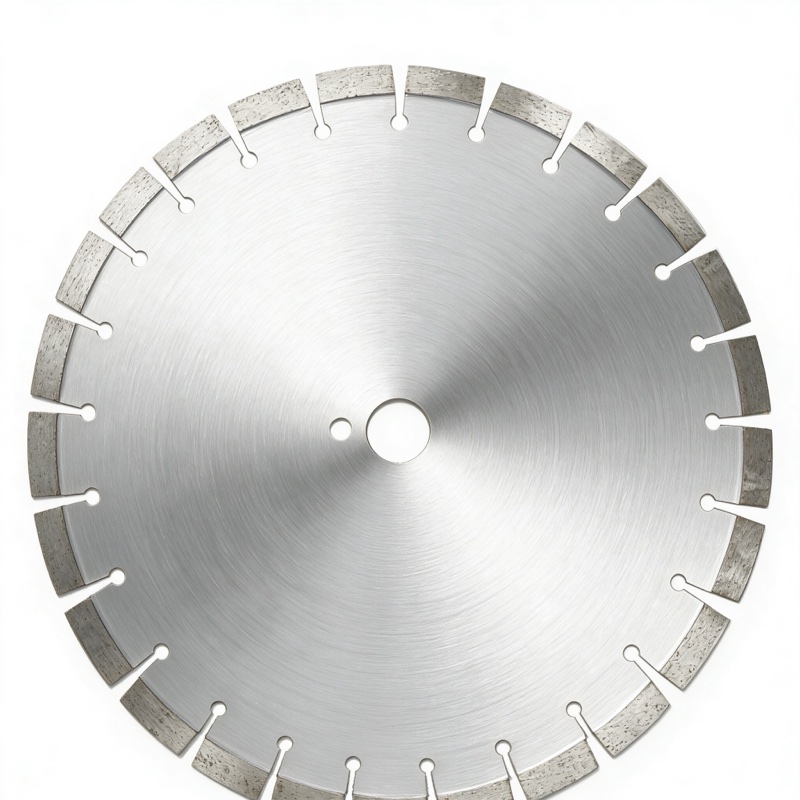
For control joints and clean cuts, pair the guide with a laser-welded concrete blade — a stable blade follows the guide without wandering.
A>For short cuts, a steady hand works. For long joints, a guide is the only way to stay straight.
A>Most floor saws have a bolt-on edge guide. For custom lines, clamp a 2.4 m straight edge and run the wheel along it.
A>Clamp a straight plywood strip to the slab and run the grinder's shoe against it, or use a guide rail accessory.
A>Lasers show the line but don't keep the saw straight — a physical guide does.
A clamped straight edge or machine guide is the key to straight concrete cuts. Browse our concrete blade range to pair with your guide setup.
