Average response time: under 24 hours
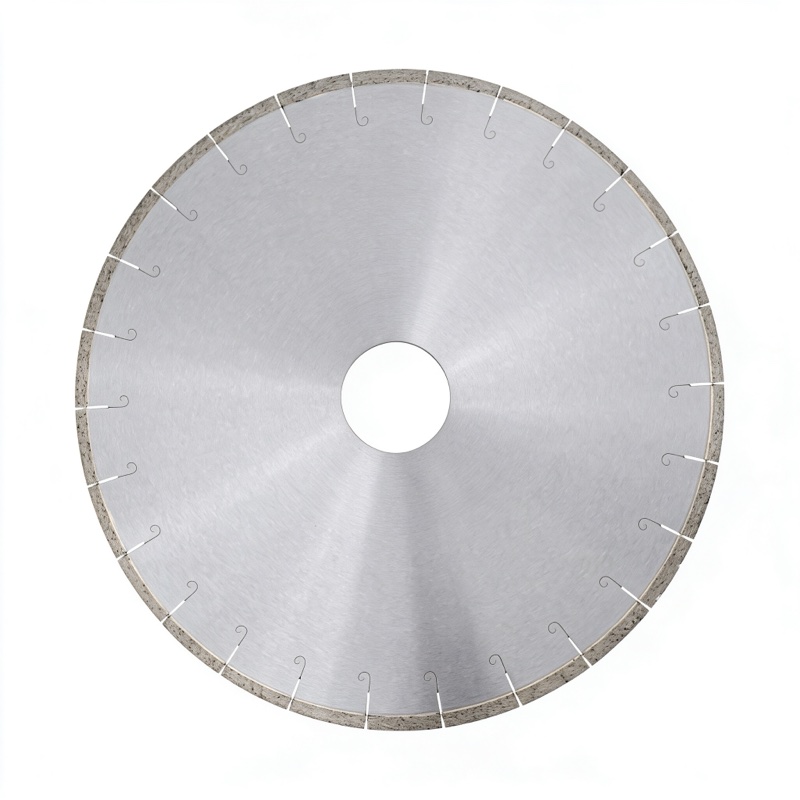
Use a ceramic-specific blade (continuous rim or HF-welded) with water, feed slowly, and support the tile on both sides of the cut. A thin, steady blade with low vibration is what prevents chipping on glazed tile.
| Mistake | Result |
|---|---|
| Pushing the tile hard | Chips and broken edges |
| Cutting dry | Overheating, glaze cracks |
| Unsupported tile | Flex breaks the glaze |
| Wrong blade (masonry) | Rough, chipped cut |
A:Yes, with a 115 mm ceramic blade and steady hand — cut from the glazed side and go slowly.
A:Wet cutting is better: it cools the blade and stops glaze cracks. Use a dry-rated blade only for short cuts.
A:Usually the tile is not supported on the exit side, or the blade is too thick. Support both sides and use a thin blade.
The right blade, water and gentle feed eliminate chipping. The Ceramic Saw Blade (HF Welded) — JOY-CR-HF is made for ceramic and porcelain tile — keep it wet and steady.
Chipping is almost always a support, speed or blade condition problem rather than bad luck. Make sure the tile bed is solid on both sides of the cut line, score a shallow first pass, and let the blade cut at its own pace. If the edge chips consistently, check the rim for wear — a dull ceramic blade pulls on the glaze instead of slicing it. Keep water flowing, especially through the glazed side, and never lift or twist the tile mid-cut. For large installations, it is worth ordering the ceramic blade with the backing you already use, so setup time stays minimal on site.
Written and reviewed by JOY TECH — an SGS & BV audited, CE/RoHS certified diamond tools manufacturer founded in 2004, exporting to 50+ countries.
Our factory and QMS are audited by SGS and Bureau Veritas. Products meet CE/RoHS requirements and every piece is 100% inspected before packing.
Verified Certificates
