Average response time: under 24 hours
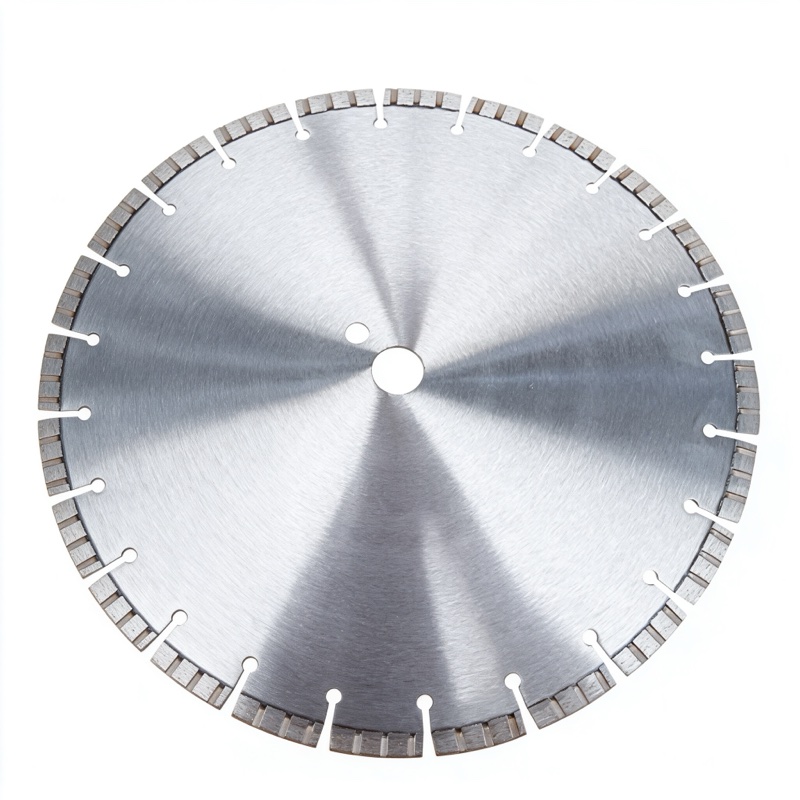
The OSHA respirable crystalline silica (RCS) permissible exposure limit (PEL) is 50 µg/m³ as an 8-hour time-weighted average, and the action level is 25 µg/m³. Cutting, grinding, coring, or sweeping cured concrete without controls will exceed this in minutes. The compliant path is engineering control first — wet cutting with a laser-welded concrete blade running on a saw equipped with a water feed, or a grinder paired with a HEPA dust extraction adapter rated at ≥99.97% efficiency at 0.3 µm. Respirators are the last line, not the first. Firms that skip controls face OSHA citations starting at USD 1,562 per serious violation and up to USD 15,625 per willful violation in 2026.
Cured concrete is roughly 25-40% crystalline silica (quartz). When you cut or grind it, you fracture the surface and generate particles below 10 µm — the size that bypasses the nose hairs and mucus and lands in the alveoli. Silicosis is irreversible: the lung tissue scars around the particles and never recovers. There is also a well-documented link between occupational RCS exposure and lung cancer (IARC Group 1), COPD, and kidney disease. Symptoms appear 10-30 years after exposure, which is why a 25-year crew cutters' crew thinks they are fine today — they are building a future medical bill.
| Parameter | Value | What it means |
|---|---|---|
| PEL (8-hr TWA) | 50 µg/m³ | Ceiling you cannot exceed on average over a shift |
| Action level (AL) | 25 µg/m³ | Trigger for exposure assessment, medical surveillance, training |
| Table 1 compliance | Prescriptive | If you follow the tool/water/vacuum steps exactly, OSHA assumes you are compliant |
| Sample required? | No, if Table 1 followed | Otherwise you must air-sample and document |
| Training frequency | Annual | All exposed workers, before field assignment |
| Medical surveillance | At AL, then every 3 years | Chest X-ray, spirometry, silica questionnaire |
Outside the US, EU member states follow the 2022 SCOEL-derived limit of 0.05 mg/m³ (50 µg/m³) with many countries tightening toward 0.03 mg/m³ by 2028. The UK HSE limit is 0.05 mg/m³; Germany's MAK is set to drop to 0.05 mg/m³. If you work cross-border, design to 25 µg/m³ so you are compliant everywhere. For the existing OSHA overview we published earlier, see silica dust safety when cutting and grinding.
OSHA Table 1 lists specific controls for each tool. The two practical routes for concrete contractors:
Wet is preferred for outdoor sawing; dry HEPA is preferred for indoor grinding, tuckpointing, and occupied spaces where water damage is a risk. Never sweep dry concrete dust with a broom — that is the fastest way to exceed the PEL and the most common OSHA citation on jobsites.
Where engineering controls cannot fully reach the PEL, respirators fill the gap. Minimum ratings:
You also need ANSI Z87.1 safety glasses (or a face shield over them for saw work), hearing protection at 85 dB(A) and above — a 350 mm walk-behind saw runs 100-108 dB(A), so plugs plus muffs are standard — and chemical-resistant boots when wet cutting. See blade safety, RPM guards, and PPE for the full gear list.
Before you start the saw:
A: If any worker is exposed above the 25 µg/m³ action level, yes — a baseline chest X-ray and spirometry within 30 days of assignment, then every 3 years while exposed. Exams are paid by the employer. Workers below the action level, with Table 1 controls running, are not required to have them, but most large GCs require them anyway as a contract condition.
A: No. A shop vac without HEPA passes 99.9% of respirable silica straight out the exhaust — you are grinding in a cloud you created. A HEPA-rated vacuum (or a Class M dust extractor under EU EN 60335-2-69) is the minimum. Even then, pair it with a cyclone pre-separator so the HEPA filter lasts.
A: For silica, yes — water suppresses 95%+ of airborne RCS if the flow reaches the blade nip. But wet cutting introduces slip, electrical (GFCI), and runoff issues. Use the method your substrate and location allow; never choose dry cutting just to avoid water cleanup.
A: A typical serious silica citation runs USD 1,562-USD 15,625 per worker, plus a 2-week stop-work order while you buy equipment. In states with OSHA plans (CA, NY, WA, TX construction), fines are often higher. The equipment cost to fix controls pays back in the first inspection avoided.
Silica control is not a respirator problem — it is a water-and-vacuum problem. Buy blades that are designed for wet use, shroud your grinders, run a HEPA extractor, train the crew annually, and keep the medical paperwork. The cost of a compliant setup is roughly USD 800-USD 2,500 per crew; the cost of one silicosis claim is seven figures. Browse our laser-welded concrete blades and pair them with the wet-cutting or extraction setup your jobsite requires — our engineers will spec the right blade for your saw horsepower and water pressure.
Written and reviewed by JOY TECH — an SGS & BV audited, CE/RoHS certified diamond tools manufacturer founded in 2004, exporting to 50+ countries.
Our factory and QMS are audited by SGS and Bureau Veritas. Products meet CE/RoHS requirements and every piece is 100% inspected before packing.
Verified Certificates
