
Wet Cutting: Intermittent vs Continuous Water Feed
Wet Cutting: Intermittent vs Continuous Water Feed
Quick Answer
Use continuous water feed for diamond blades whenever the saw and the job allow it. Intermittent feed lets the segment heat and cool, which can glaze the bond and crack the weld. If water supply is limited, use a smaller flow at the segment continuously rather than a large flow that stops and starts.
What Water Does
Water cools the segment, flushes the kerf and controls dust. The diamond does not burn, but the metal bond does. If the bond reaches the wrong temperature, it either wears too fast or glazes and stops exposing diamond.
Water also keeps the slurry moving. A dry kerf packs fines around the segment and increases friction. That friction raises the temperature even when water is present but not reaching the segment.
Continuous Feed
Continuous feed is the default for concrete, asphalt and most stone. Point the water at the segment, not at the top of the blade. The flow should be enough to leave the kerf clear, but not so much that the slurry floods the work area.
On a hand-held saw, a water valve at the handle lets the operator adjust flow without stopping the blade. On a large saw, check the pump and the water channels before each cut.
Intermittent Feed
Intermittent feed is sometimes used on small tile saws to reduce splash. It is not a good choice for a diamond blade in concrete. Each time the water stops, the segment temperature rises; each time it starts, the segment is quenched. The cycle can produce thermal cracks at the weld.
If the water tank is small, reduce the flow and keep it running. Refill the tank before it runs dry; do not run the blade dry to finish a cut.
Frequently Asked Questions
Q: Can I cut concrete dry with a wet blade?
A: A wet blade is not designed for dry cutting. Without water, the bond overheats and the segment can glaze or detach.
Q: How much water is enough?
A: Enough to keep the kerf clear and the segment wet. The slurry should flow, not boil or smoke.
Q: Does more water always mean longer blade life?
A: No. Too much water can wash the slurry away and make the blade skate. The key is continuous flow at the segment.
Conclusion
Continuous water at the segment is the safe default. For high-production concrete cutting, use a high-horsepower laser-welded blade; for general concrete and asphalt, a laser-welded concrete blade with a steady water feed.
Products used in this guide
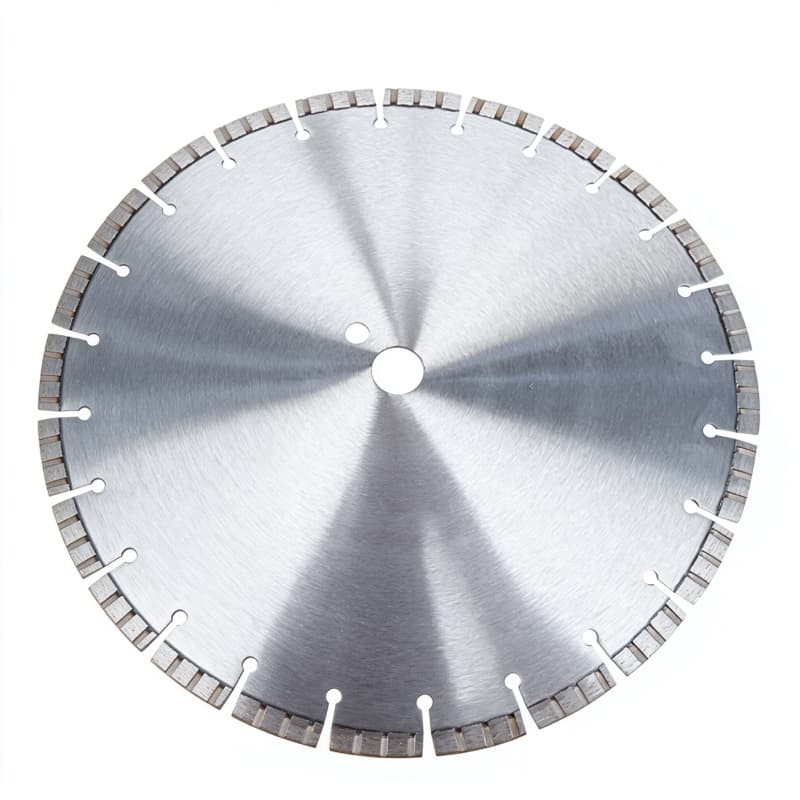
Concrete and Asphalt Saw Blade (Laser Welded) — JOY-CA-LW
View specs →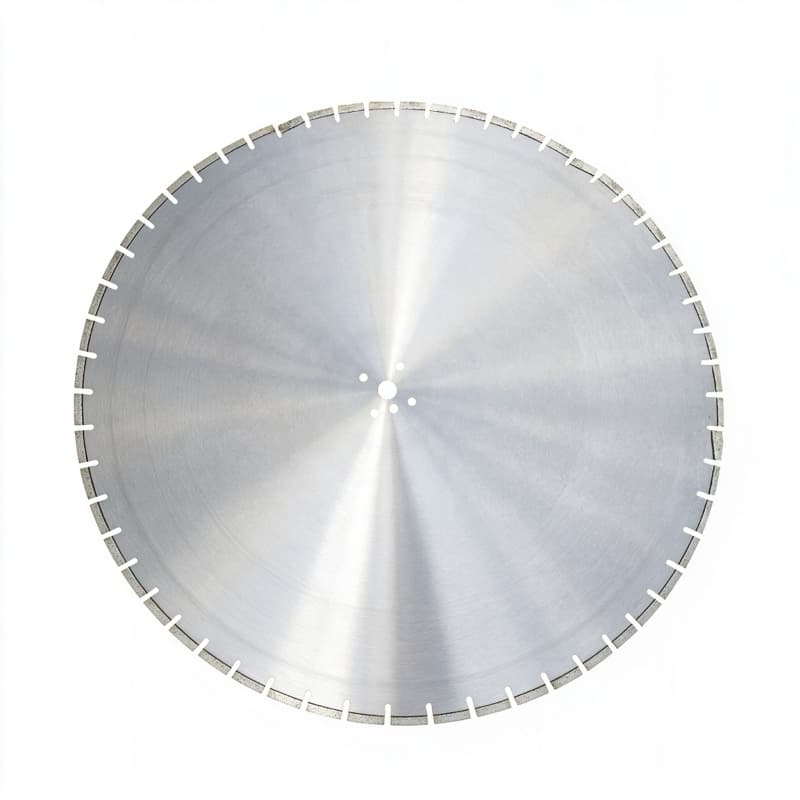
Laser Welded High Horsepower Blade — JOY-LW-HH
View specs →Need this tool for your job?
MOQ 1 · 7–30 days by order quantity · FOB & CIF · free sample on request
Author & Manufacturer
Written and reviewed by JOY TECH — an SGS & BV audited, CE/RoHS certified diamond tools manufacturer founded in 2004, exporting to 50+ countries.
Quality & Compliance
Our factory and QMS are audited by SGS and Bureau Veritas. Products meet CE/RoHS requirements and every piece is 100% inspected before packing.
Verified Certificates
- SGS Audited Supplier — Report No. QIP-ASI227442 & QIP-ASR247051 (Audit Jan 29, 2024)
- Bureau Veritas Verified — Report No. MIC-ASR257059 (Audit Feb 20, 2025)
- CE & RoHS Certificate of Conformity — No. CS240925001HRZ (Issue Sep 25, 2024)