

Diamond Blade for Cutting Engineered Quartz Surfaces
Diamond Blade for Cutting Engineered Quartz Surfaces
Quick Answer
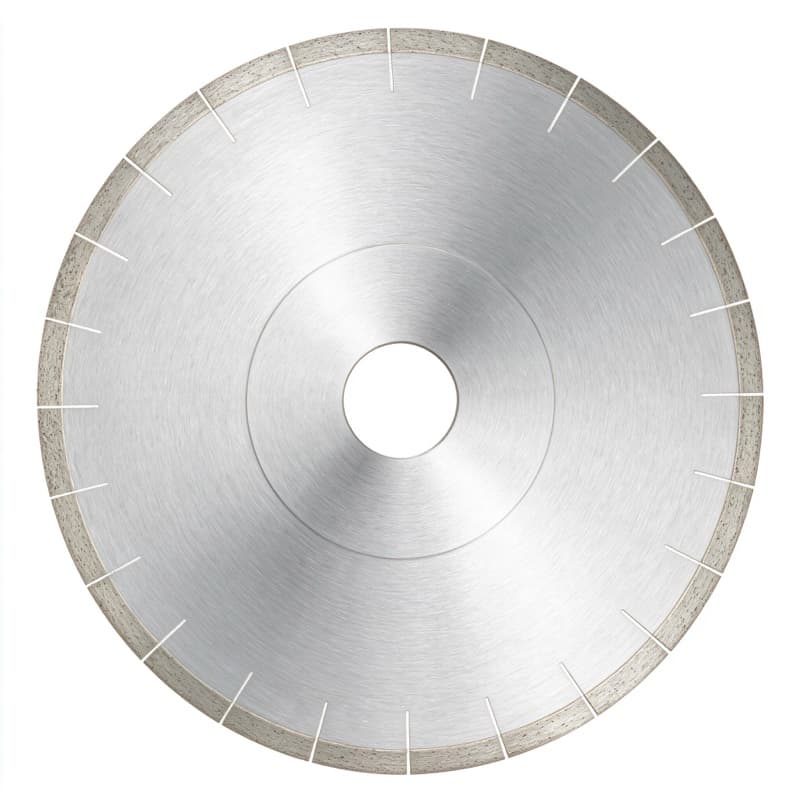
For engineered quartz, use a continuous-rim or turbo diamond blade designed for quartz and engineered stone, run wet at 4,000–6,000 RPM on a bridge saw, rail saw or hand grinder with a guide. A softer resin-bonded or quartz-specific blade keeps the cut edge clean and prevents chipping; avoid aggressive segmented concrete blades, which will chip the surface.
Why Engineered Quartz Chips So Easily
Engineered quartz is around 90% quartz aggregate bound in resin. It is hard enough to dull cheap blades, yet brittle at the cut edge. The two failure modes are:
- Edge chipping — caused by a blade with too open a rim, too high feed speed, or dry cutting without support.
- Dull blade burn — a blade that is too soft loads up with resin and burns the edge brown instead of cutting.
A blade made specifically for quartz uses a finer diamond grit in a medium-hard bond, holding the rim tight so each diamond breaks the quartz instead of pushing it out.
Key Features to Look For
| Feature | Why It Matters |
|---|---|
| Continuous or turbo rim | Smooth edge, less vibration, minimal chipping |
| Quartz-specific bond | Balanced hardness — cuts fast without overheating |
| Wet cutting capability | Cools the edge and flushes dust for a cleaner finish |
| Size range 105–400mm | Fits angle grinders, rail saws and bridge saws |
How to Cut Engineered Quartz Without Chipping
- Cut wet whenever possible — water cools the blade and supports the chip zone.
- Use a guide or rail — freehand cuts wander and chip the edge.
- Feed at a steady moderate speed — forcing the blade causes vibration and breakout.
- Support the slab on both sides of the cut — unsupported overhangs crack and chip at the end of the cut.
- Finish with a sanding pad — a 120–220 grit pad removes any micro-chip before installation.
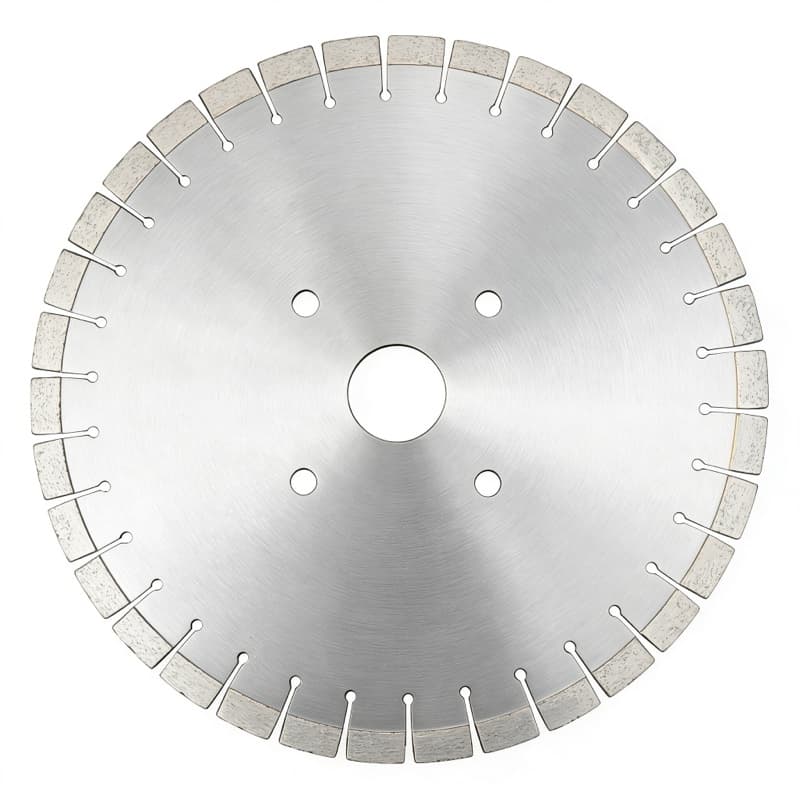
For shop fabrication, a Quartz Saw Blade (Artificial Quartz) is tuned for this exact material; for mixed stone work the Universal Stone Cutting Blade covers granite, marble and engineered stone in one blade.
Frequently Asked Questions
Q: Can I use a concrete blade on quartz?
You can, but you will get chipped edges and a rough cut. Concrete blades have an open segmented rim that shatters the quartz edge. Use a continuous or turbo rim designed for stone instead.
Q: Wet or dry cutting for engineered quartz?
Wet is always safer for the finish. Dry quartz blades exist, but they run hotter and are more likely to leave micro-chips and resin burn marks on the edge.
Q: What RPM should I use on a quartz blade?
Keep the blade in its rated range — typically 4,000–6,000 RPM for 250–400mm blades on bridge or rail saws. Overspeed increases vibration and chipping.
Q: Why is my quartz cut edge turning brown?
That is resin burn from a dull or wrong blade. The blade is glazing instead of cutting; switch to a sharper quartz-specific blade and cut wet.
Conclusion
The right blade for engineered quartz is a wet-cut, continuous or turbo rim blade with a quartz-specific bond. Combine it with a guide, steady feed and proper support, and you get clean edges with almost no chipping. For a blade matched to your quartz fabrication, check our quartz blade range and get factory-direct pricing from JOY TECH.
Products used in this guide
Universal Stone Cutting Blade — JOY-US
View specs →Quartz Saw Blade (Artificial Quartz) — JOY-QZ-A
View specs →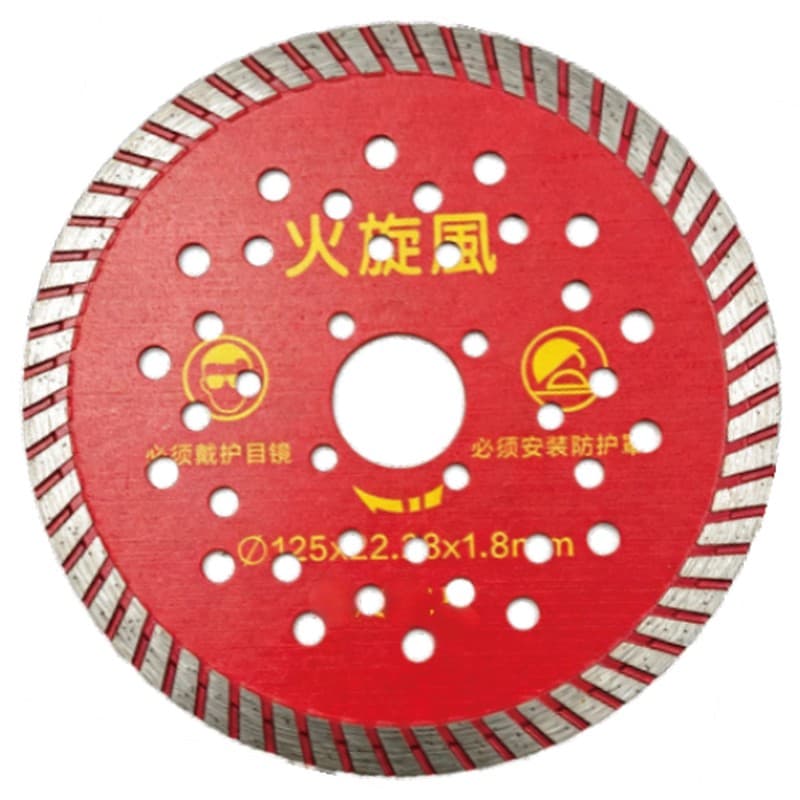
Hot Pressed Turbo Diamond Saw Blade — JOY-TB-HP
View specs →Need this tool for your job?
MOQ 1 · 7–30 days by order quantity · FOB & CIF · free sample on request
Author & Manufacturer
Written and reviewed by JOY TECH — an SGS & BV audited, CE/RoHS certified diamond tools manufacturer founded in 2004, exporting to 50+ countries.
Quality & Compliance
Our factory and QMS are audited by SGS and Bureau Veritas. Products meet CE/RoHS requirements and every piece is 100% inspected before packing.
Verified Certificates
- SGS Audited Supplier — Report No. QIP-ASI227442 & QIP-ASR247051 (Audit Jan 29, 2024)
- Bureau Veritas Verified — Report No. MIC-ASR257059 (Audit Feb 20, 2025)
- CE & RoHS Certificate of Conformity — No. CS240925001HRZ (Issue Sep 25, 2024)